Last updated November 22, 2026
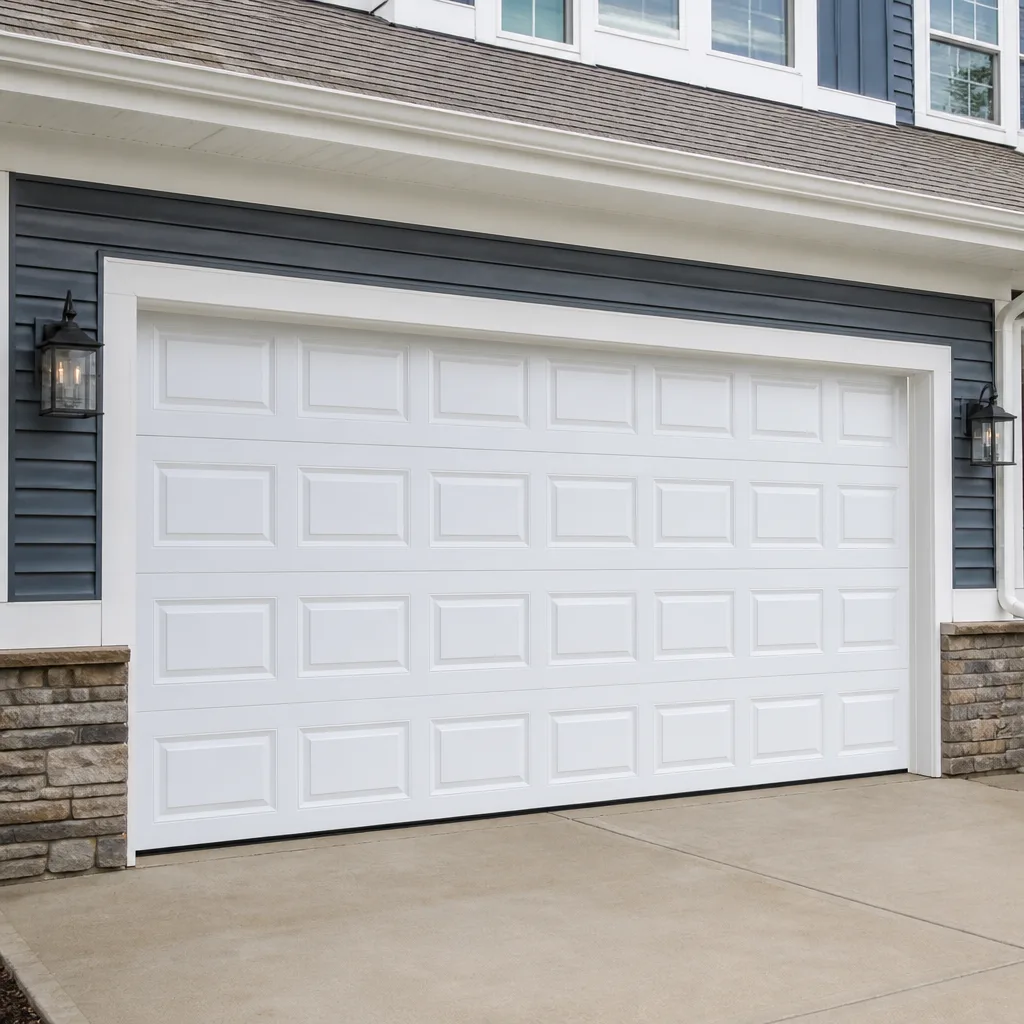 Raised-panel steel
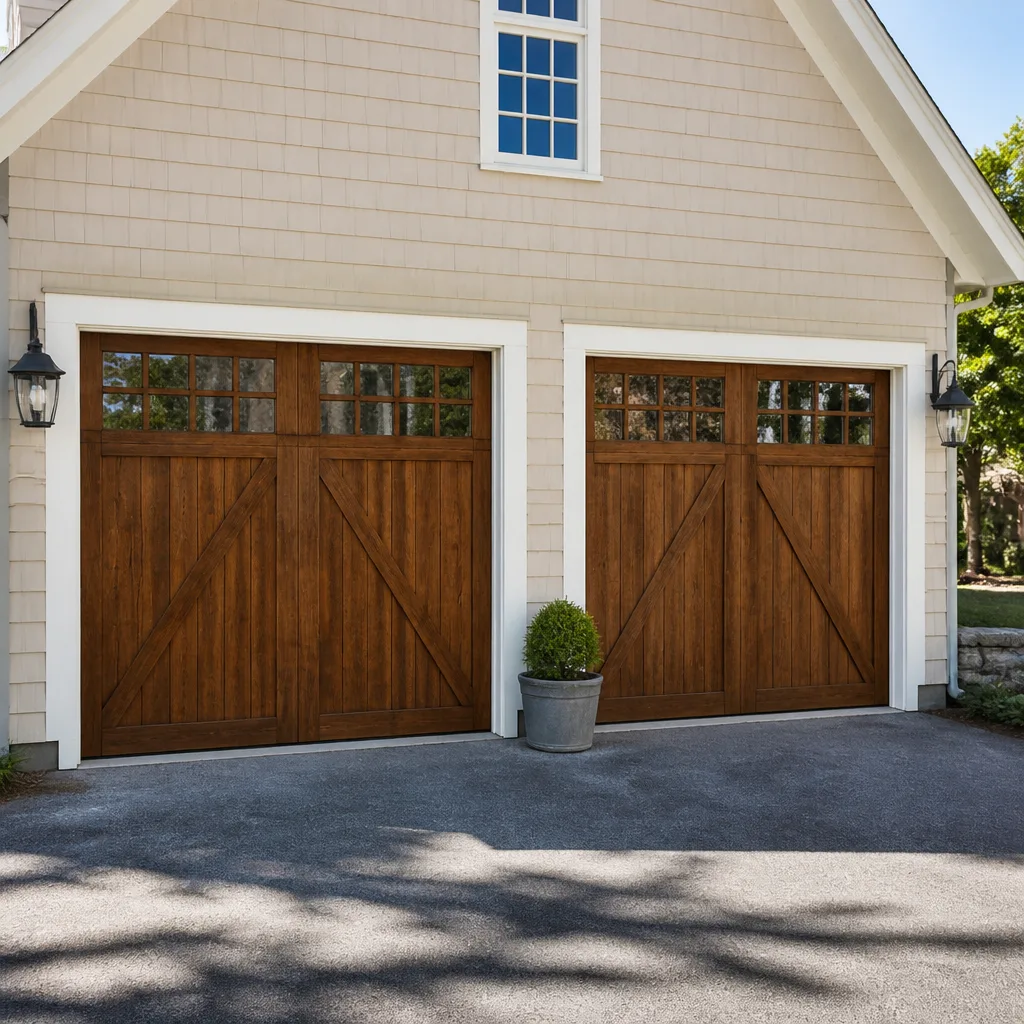 Carriage house
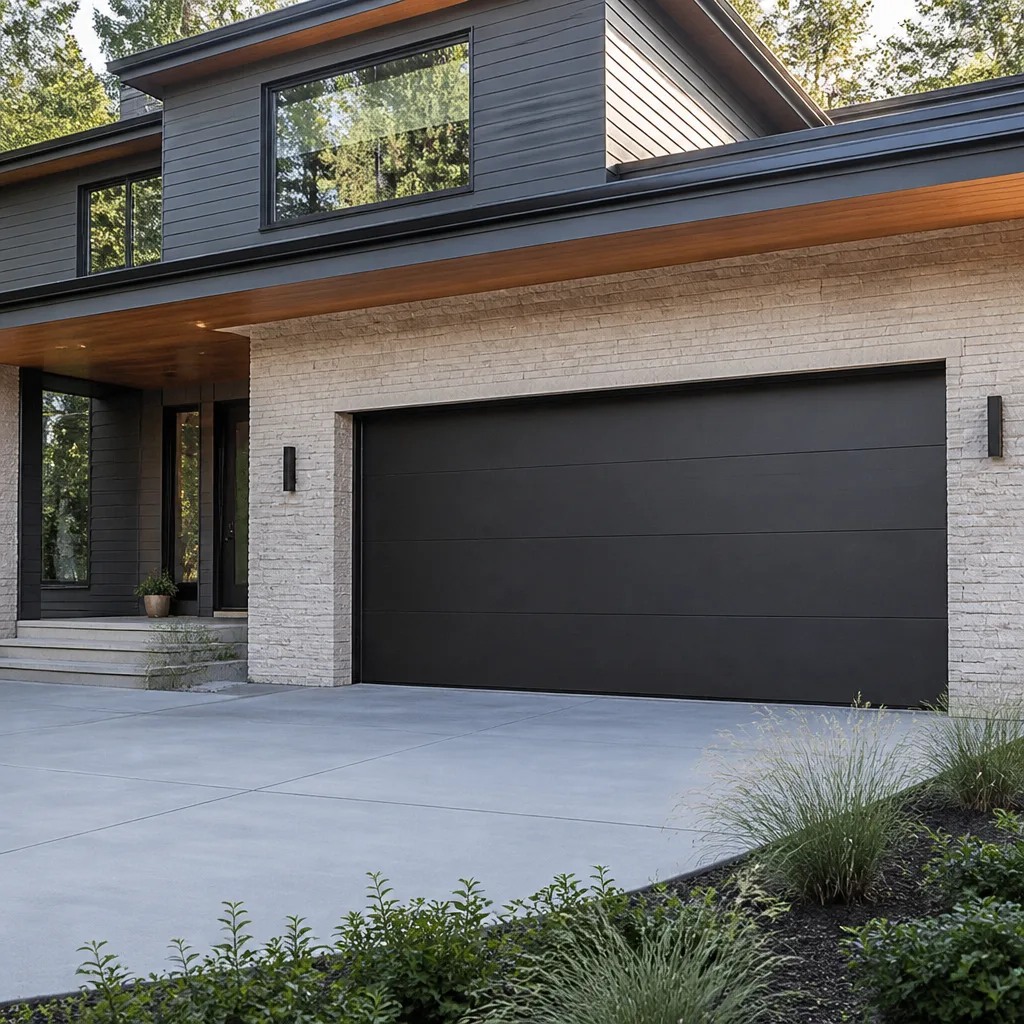 Modern flush
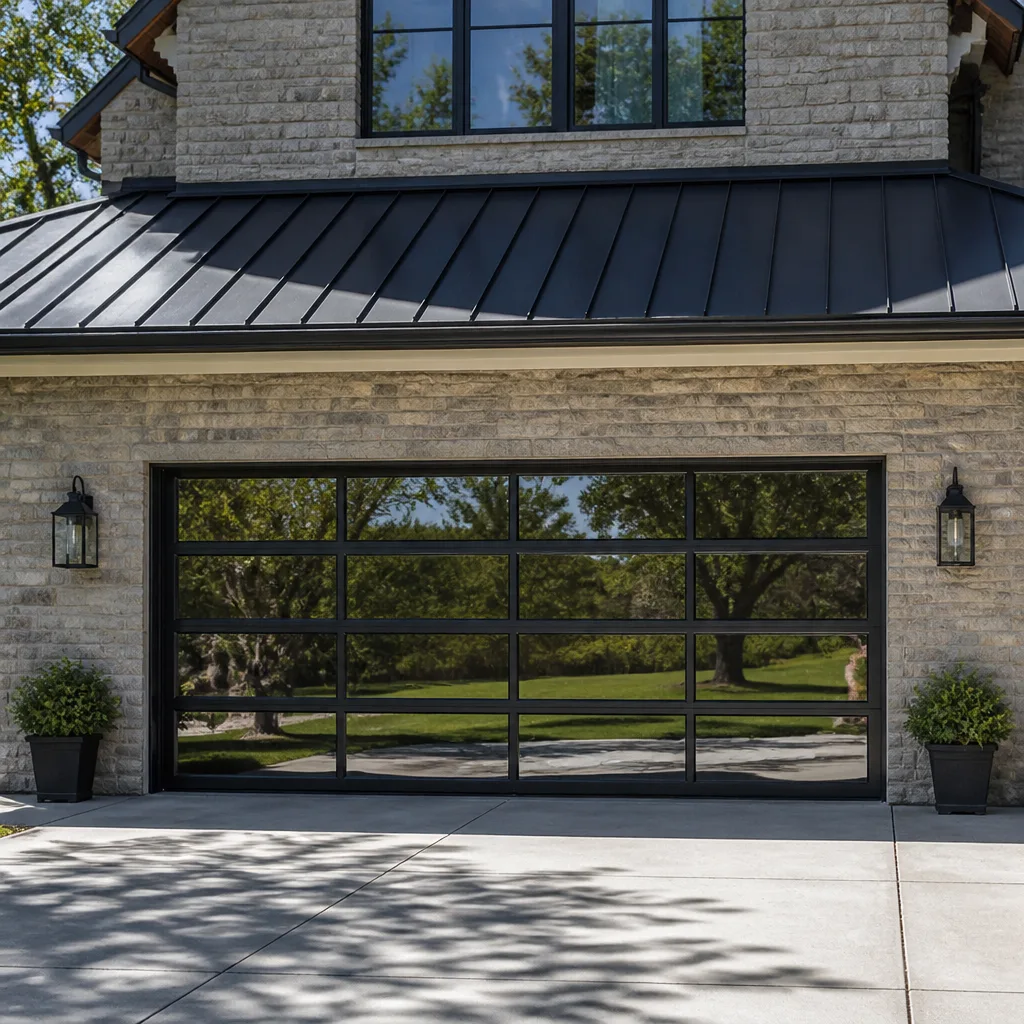 Full-view glass
 LiftMaster openers
 Chamberlain openers
Full 25-point door and opener safety check with every visit - springs, cables, rollers, tracks, and your LiftMaster or Chamberlain opener included
You get a price before we start. It does not change when the pro arrives.
Get your free estimateGarage Door Permits, Codes & Inspections in Fairfield, OH: What You Need to Know
Here’s a fact that surprises a lot of Fairfield homeowners: swapping one garage door for another almost never requires a permit in Fairfield. But add an opener circuit to a door that never had one, widen the rough opening, or cut into the structural header, and you’ve crossed into permit territory. That line is easy to miss, and it has a way of surfacing during a home inspection or a title search at the worst moment. Below we walk through the actual triggers, how Butler County and the City of Fairfield share jurisdiction, what “like-for-like” really means in Ohio code language, and what a permit costs and takes in 2025 and 2026.
Quick Answer
A straight door-for-door replacement of the same size in the same opening generally doesn’t need a permit in Fairfield, Ohio. You do need one when the work changes the structure or adds a system: modifying the rough opening, altering the structural header, adding electrical for a new opener circuit, or installing an opener on a door that never had one. When in doubt, call the City of Fairfield building department before ordering a door, and ask about the permit for your specific address.
Styles & brands we work with
- Raised-panel steel
- Carriage house
- Modern flush
- Full-view glass
- LiftMaster openers
- Chamberlain openers
Table of Contents
- What garage door work actually requires a permit in Fairfield?
- Butler County vs. City of Fairfield: who governs your permit?
- What does “like-for-like” replacement mean in Ohio code language?
- The three modifications that break the replacement exemption
- What a garage door permit costs and how long it takes in 2025 – 2026
- What to expect at inspection
- How unpermitted work shows up at a home sale or insurance claim
- How to plan a garage door project the right way in Fairfield
What garage door work actually requires a permit in Fairfield?
In Fairfield, garage door permits are triggered by structural or electrical changes, not by the door itself. The building department is looking at whether the opening, the framing above it, or the power feeding an opener has changed. A new door hung in an unchanged opening is treated as ordinary maintenance. A project that changes dimensions or adds new electrical is treated as construction.
These are the situations that call for a permit:
- Structural header changes. The header is the beam spanning the top of the garage opening. Enlarging a door means cutting or sistering that header, which affects load-bearing capability.
- Rough opening modification. Rough opening is the framed hole the door sits inside. Widening or heightening it changes the structure of the wall itself.
- New electrical for an opener. If the garage has no powered circuit near the opener location and one must be added, an electrician’s permit is typically needed for that circuit.
- Converting an unpowered door to an opener door. Adding an opener to a door that never had one usually involves wiring and, sometimes, reinforcing the door and the ceiling mounting points.
- Changing the door type. Swapping a single-car door for a wider one, or a roll-up for a sectional, changes the loads the structure sees.
What almost never needs a permit: replacing a broken panel with a matching Clopay or Amarr panel, replacing springs and cables, replacing an opener in the same electrical location, or replacing a door with the identical size and type. If you’re repairing a broken torsion spring or a snapped cable, that’s not a permit question at all. It’s a safety question. See our guide to garage door repair for how those visits typically go.
One Fairfield-specific wrinkle: neighborhoods built in the different waves of development here have very different garage configurations. Some subdivisions have low-clearance openings that make a taller door tempting. A homeowner who wants to gain height is looking at a header change and a permit. A homeowner who just wants a fresher-looking door in the same opening isn’t.
Butler County vs. City of Fairfield: who governs your permit?
You follow the authority that has jurisdiction over your property, and inside the Fairfield city limits that’s the City of Fairfield, not Butler County. Fairfield is a home-rule city with its own building department that issues residential permits and performs inspections. Butler County handles permits for unincorporated townships outside the city limits and certain county-level functions.
This catches people who call the wrong office first and get routed around. The practical order of operations:
- Check which jurisdiction your address falls in. If you’re inside Fairfield city limits, you’re with the city. If you’re in an unincorporated part of the county near Fairfield, you may be with Butler County.
- Call the City of Fairfield building department with your address and the scope of work. Describe the door size, the opening, whether the header changes, and whether electrical is added.
- Get the answer in writing if the scope is unusual. Even a brief confirmation email keeps the record straight years later.
- If the permit is required, pull it before work begins. Not after.
We’ve seen homeowners do the right thing in the wrong order: they have a door on order, then learn the header change needs a permit and an inspection. That stalls the install. The step that saves a week is a call to the building department before the door is measured. Our team at Garage Door Repair Fairfield Pros can describe the scope in building-department language so you know the questions to ask before you dial. Confirm the current permit requirements for your specific address with the City of Fairfield building department, since these rules are updated periodically. For the broader picture of what our work covers, see Garage Door Repair Fairfield Pros.
What does “like-for-like” replacement mean in Ohio code language?
“Like-for-like” means the new door is the same size, same type, same operation, and in the same opening as the old one. It’s the phrase that decides whether a project needs a permit. In practice, “like” refers to the opening and the structural arrangement, not the color, the brand, or the panel style. You can go from a plain Clopay to a decorative Amarr of the same dimensions without triggering a permit in most cases, because nothing structural has changed.
Where homeowners get confused is treating “I bought the same size door” as the whole story. The three things that have to stay the same:
- Same rough opening dimensions. Width and height of the frame you’re setting the door into must be unchanged.
- Same door type. A sectional stays sectional, a one-piece tilt stays one-piece tilt.
- Same opener arrangement. No new electrical circuit, no change from manual to automatic, no relocation of the opener wiring.
If any of those three is different, you’re no longer like-for-like. If all three are the same, you’re doing maintenance. The distinction matters because inspectors read permits through this lens, and a permit pulled for the wrong scope creates as much confusion at a home sale as a permit never pulled at all. If you want a new door in the same spot and nothing else, our garage door installation process handles it without a permit in most Fairfield cases, but it’s always worth confirming your address with the building department.
The three modifications that break the replacement exemption
When a “replacement” stops being a replacement, these are the three ways it happens:
- Rough opening sizing. Going from an 8-foot-wide door to a 9-foot-wide door widens the rough opening. Going taller to fit an SUV clears the height but the header has to move. Either one changes the framing. Both call for a permit.
- Structural header contact. Adding a door for a two-car conversion, cutting a wider opening, reinforcing a sagging header, or sistering a new beam to the existing one all touch the structure above the opening. That’s permit work, no exceptions we know of.
- New opener circuit or manual-to-automatic conversion. A manual door that gains a LiftMaster or Chamberlain opener needs electricity where there wasn’t any, and the ceiling mount has to be able to carry the load. A new electrical circuit is a permit item, and a permitted opener install usually gets inspected for the same reasons.
A fourth trigger gets overlooked: wind load. Fairfield isn’t in a coastal high-wind zone, but oversized doors and doors on certain exposed elevations can get flagged for wind-load documentation by the reviewer. We don’t see it come up often, and it’s the building department’s call, not ours. On a door replacement that includes a new opener at the same location, the electrical box is already there, and this trigger rarely applies. On a Genie opener swap, for example, the wiring is existing and the door isn’t changing, so it stays out of the permit conversation. If you’re staring at the same opener that’s throwing error codes and won’t respond, that’s an garage door opener repair call, not a permitting one.
What a garage door permit costs and how long it takes in 2025 – 2026
Fairfield residential permits are fee-based, and the fee tracks the job’s declared valuation. You can’t usually pull a fixed number from a website because it moves with the scope and the city’s fee schedule. Plan on a straightforward residential permit sitting in the low hundreds of dollars, with final cost depending on how the building department classifies the work and the current fee schedule. Get the exact amount from the City of Fairfield building department when you apply.
Typical structural or electrical work for a garage door project in Fairfield breaks down roughly like this:
| Line item | Typical range (2025 – 2026) | Notes |
|---|---|---|
| Residential building permit, garage door modification | Low hundreds | Valuation-based; confirm with the building department |
| Structure electrical permit, new opener circuit | Low hundreds | Usually separate from the building permit |
| Reinforcement for oversized door | Varies with header work | Structural review may be required |
| Standard door-for-door replacement | No permit | Same size, same type, same opening, no new electrical |
Timeline for a residential permit in Fairfield typically runs one to two weeks for the permit to issue when the scope is clear and no plan review is required. If the project touches structural components that need plan review, add time. Inspections usually happen within a few business days of the request, on the building department’s schedule, not on your installation crew’s. Budget the permit and the inspection window into the project schedule before you order a door, because the door arrives on the manufacturer’s timeline, not yours. That said, fees and timelines do change. The written numbers and the schedule come from the City of Fairfield building department, and we always suggest the homeowner confirms both before committing to a door delivery date. Our technicians have up to 10 years of experience with these projects and can tell you what triggers a plan review and what doesn’t.
What to expect at inspection
An inspection is a short walkthrough, not a test. A residential inspector typically looks at the framing around the opening, the header attachment, the fasteners, the opener mounting and any new electrical work. The whole visit usually takes under an hour. You don’t need to be home. Nothing we do is handed over without inspection sign-off when a permit is open.
A quick checklist of what usually gets looked at:
- Header and framing: proper lumber, proper attachment, no gaps.
- Door tracks: securely fastened, plumb, level enough to operate without binding.
- Opener mount: centered, secure, clear of the door’s travel.
- Electrical: proper box, proper wiring method, GFCI protection where the code requires it.
- Safety features: photo-eye sensors and the auto-reverse function working as intended.
- Permit card: posted visibly, signed off by the inspector.
If anything comes back on the correction list, it’s usually small and it’s usually mechanical. Fasteners that need a heavier gauge, a photo-eye aimed a little off, a wire clamp missing at the box. Most corrections get done on one return visit. The bigger problem in Fairfield isn’t failing an inspection. It’s never getting one in the first place. Please note: on torsion springs, cables, and the structural header, we always recommend a trained professional. Springs and cables are under high tension and can cause serious injury if released under load. The right move is a qualified technician, a permitted job, and an inspector who signs off. If something feels off during your walkthrough, our garage door repair team can check the function before the inspection instead of after.
How unpermitted work shows up at a home sale or insurance claim
Unpermitted garage door work can surface as a title and inspection problem years later, even when the work was done well. Here’s the chain of events we see:
- Buyer’s home inspector flags the header or the electrical. An inspector sees fresh framing above the opening or a new electrical box and asks for the permit record.
- Buyer’s lender asks for documentation. Some lenders require the permit for any structural or electrical modification before they’ll clear the appraisal. The permit matters.
- Title or closing stalls. Often the fix is to pull a permit now and have the work inspected retroactively. Sometimes the buyer walks.
On the insurance side, if a claim comes in for water intrusion around a modified opening or a fire at an opener box, the adjuster may look for the permit record. A permitted job usually gets paid. Unpermitted work creates a coverage question, and the answer isn’t guaranteed in your favor. That alone is worth pulling the permit for.
One practice worth adopting: keep the permit number, the final inspection slip, and the installation photos together. If you sell in five years, you can hand the buyer a folder and move on. Most of the Fairfield home sale headaches we hear about come from missing paperwork, not bad work. And if your home inspector flagged something on a door you’ve never touched, our team can inspect the operation and tell you whether it’s a real problem before the buyer’s inspector makes it one. We’re one call into the process at (844) 440-7065.
How to plan a garage door project the right way in Fairfield
Whether you’re repairing, replacing, or modifying, the safe order of operations is the same. Here’s the sequence people who avoid trouble follow:
- Decide what you actually want. Same-size replacement, or a change to the opening, the door type, or the opener circuit? That answer drives everything below.
- Call the City of Fairfield building department. Give them the address and the scope. Ask whether the work requires a permit and what the fee and timeline look like for your address.
- Get the door measured and quoted. A free written estimate is the right way to decide whether the project is worth doing, but don’t order until you know the permit answer.
- Pull any required permits before installation day. A permitted job with a final inspection is a cleaner sale years down the line.
- Schedule the install. A standard door-for-door replacement takes about half a day. Structural modifications take longer and need to fit the inspection window.
- Keep the paperwork. Permit number, final inspection, brand information (Clopay, Amarr, Genie, Chamberlain, etc.), and any photos.
Fairfield’s climate in the Ohio Valley means hot summers and cold winters with freeze-thaw cycling. Garage doors here live in a range of temperatures, and the most common failure point is a spring that’s been worked to the end of its life. None of that changes the permit question, but it’s worth saying: a door that fails at 7 a.m. on a day you have somewhere to be is exactly why we offer emergency service. Our garage door specialists handle the diagnosis and installation side, but the permit routing is your relationship with the building department. We’re glad to lay out the scope in the language they ask for. If you’d like the installation side scheduled on your timeline, our garage door installation team can walk you through the process. Whether you’re near Winton Road or over by Jungle Jim’s, the steps above don’t change.
Common Mistakes to Avoid
- Calling Butler County first when you’re inside Fairfield city limits. Fairfield is a home-rule city. Start with the city building department, not the county.
- Treating “same size” as the only test. Same size is necessary but not sufficient. Same door type and same opener arrangement matter too. Look at all three before deciding a permit isn’t needed.
- Adding an opener to a manual door without checking the electrical permit requirement. A new circuit is permit work in most Fairfield cases, and it’s easy to miss when the project is framed as “just adding an opener.”
- Ordering the door before knowing the permit answer. A door on order with a permit pending is a stopped installation. Call the building department before the door is bought.
- Doing structural header work yourself or with a general handyman. The header carries load. Cutting or adding to it without a permit and a trained install crew is how a fixable project becomes a home-sale problem.
- Letting a home inspector find a permit gap you created. If you’ve done any garage-related structural or electrical work in the last several years, check that the permit and final inspection were actually recorded. A call to the building department settles it before a buyer’s inspector does.
- Assuming the opener brand changes the permit. It doesn’t. A Genie, a LiftMaster, a Chamberlain, or any other brand of opener in the same electrical location is an opener repair or replacement question, not a permit question.
See the difference
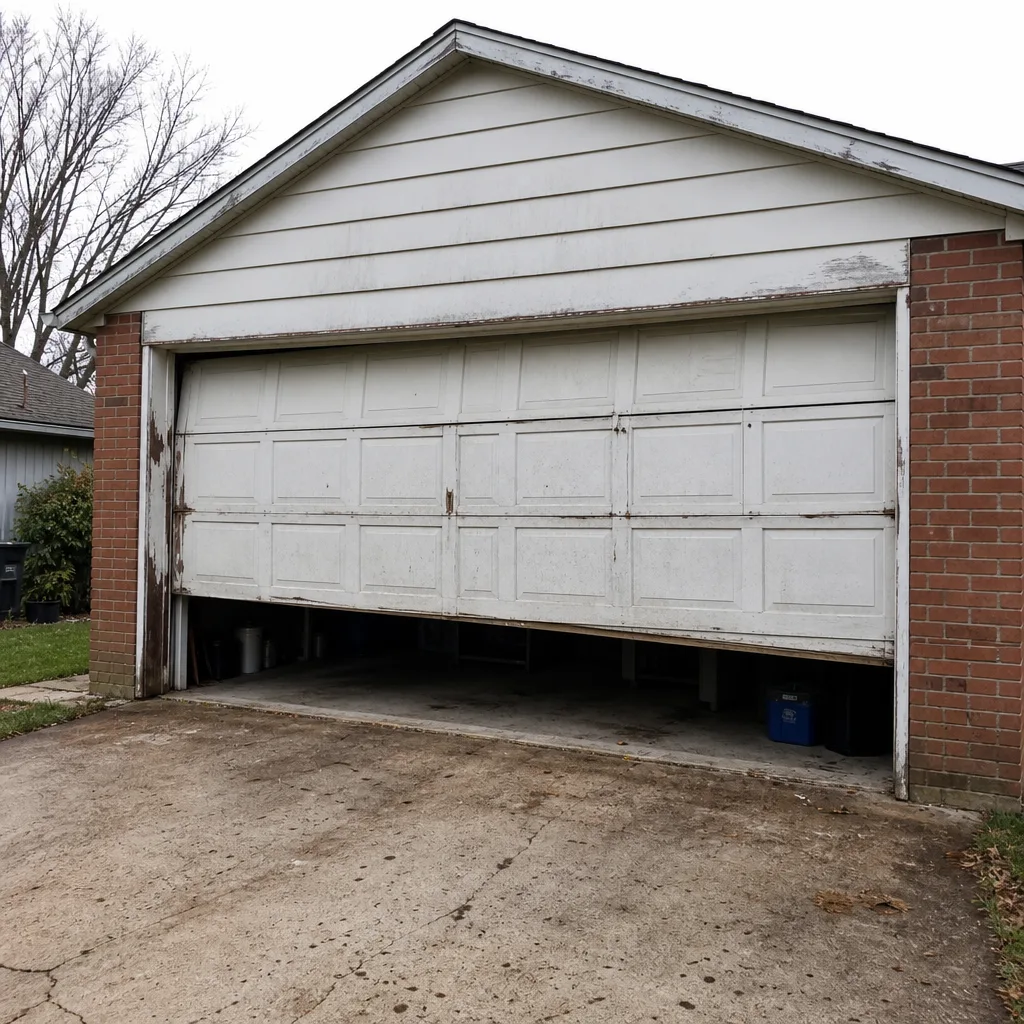 Before
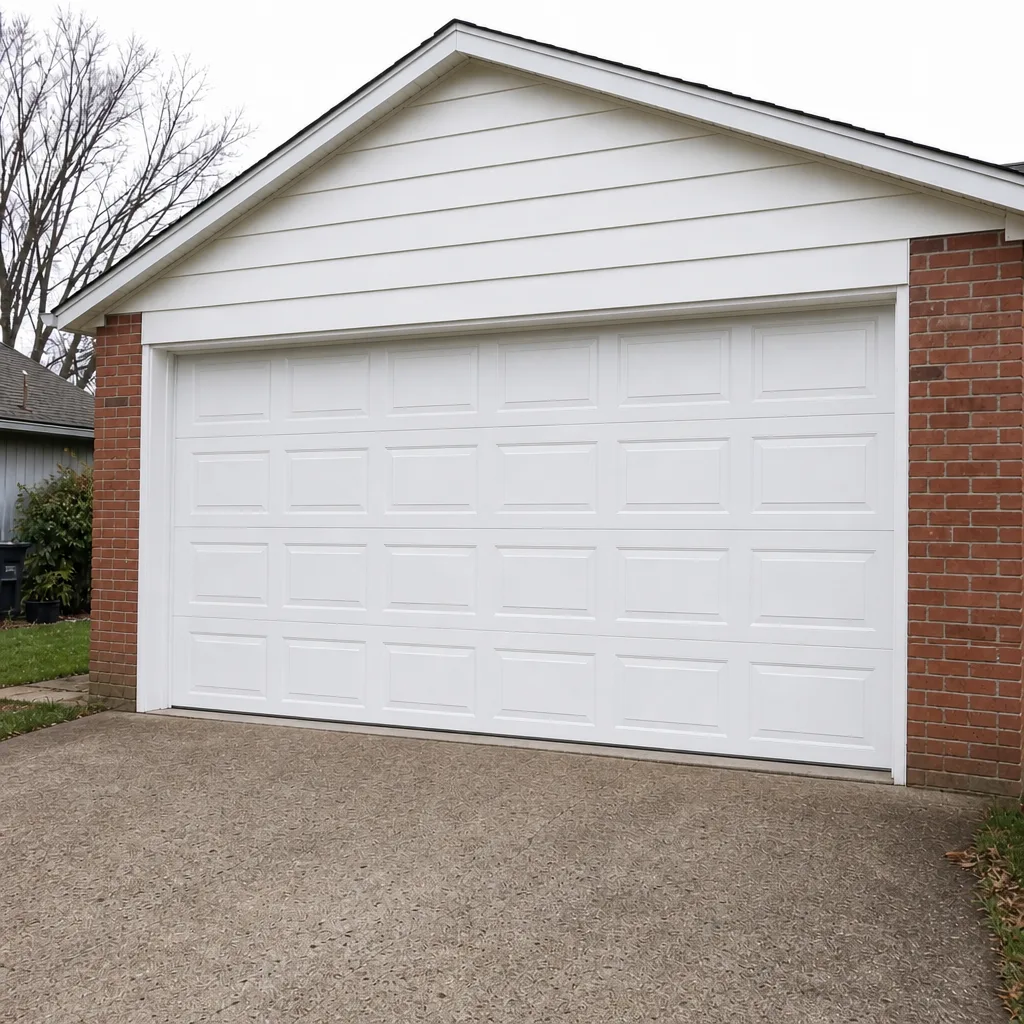 After
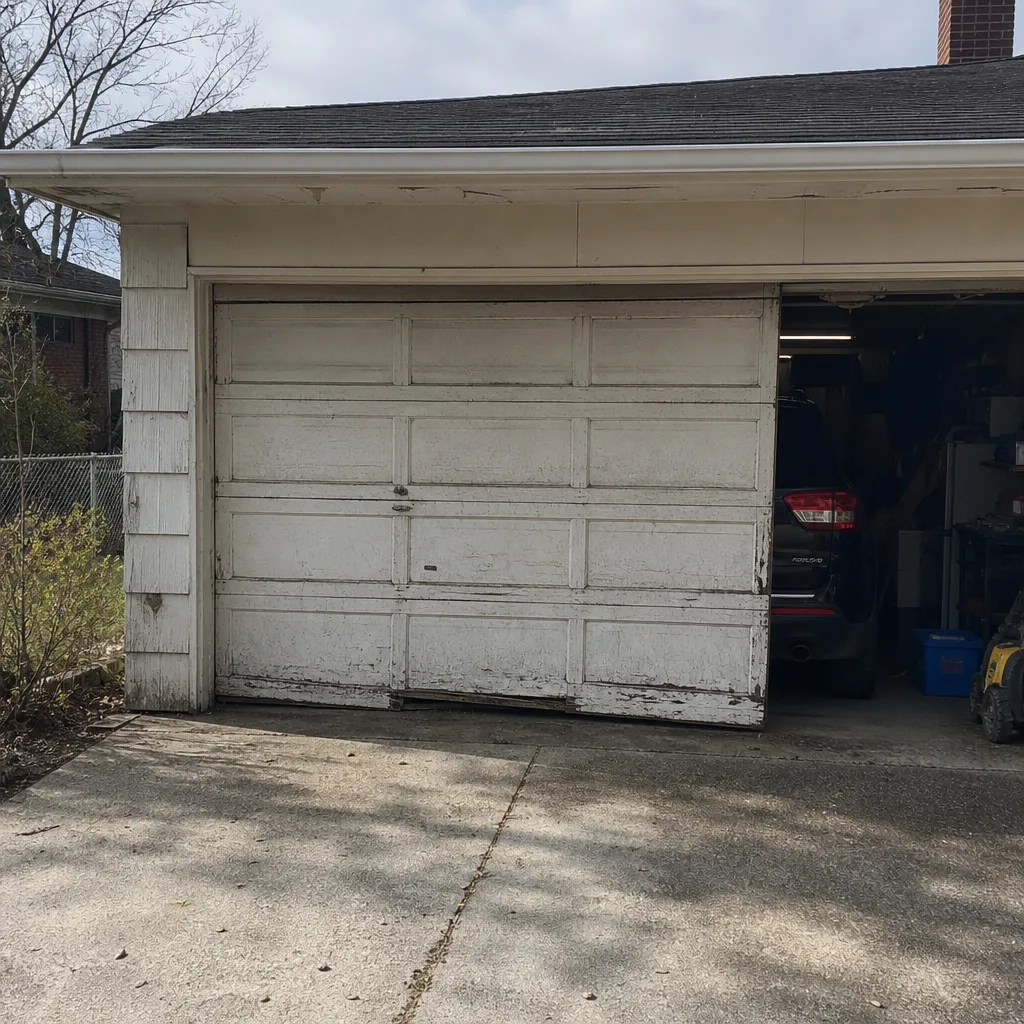 Before
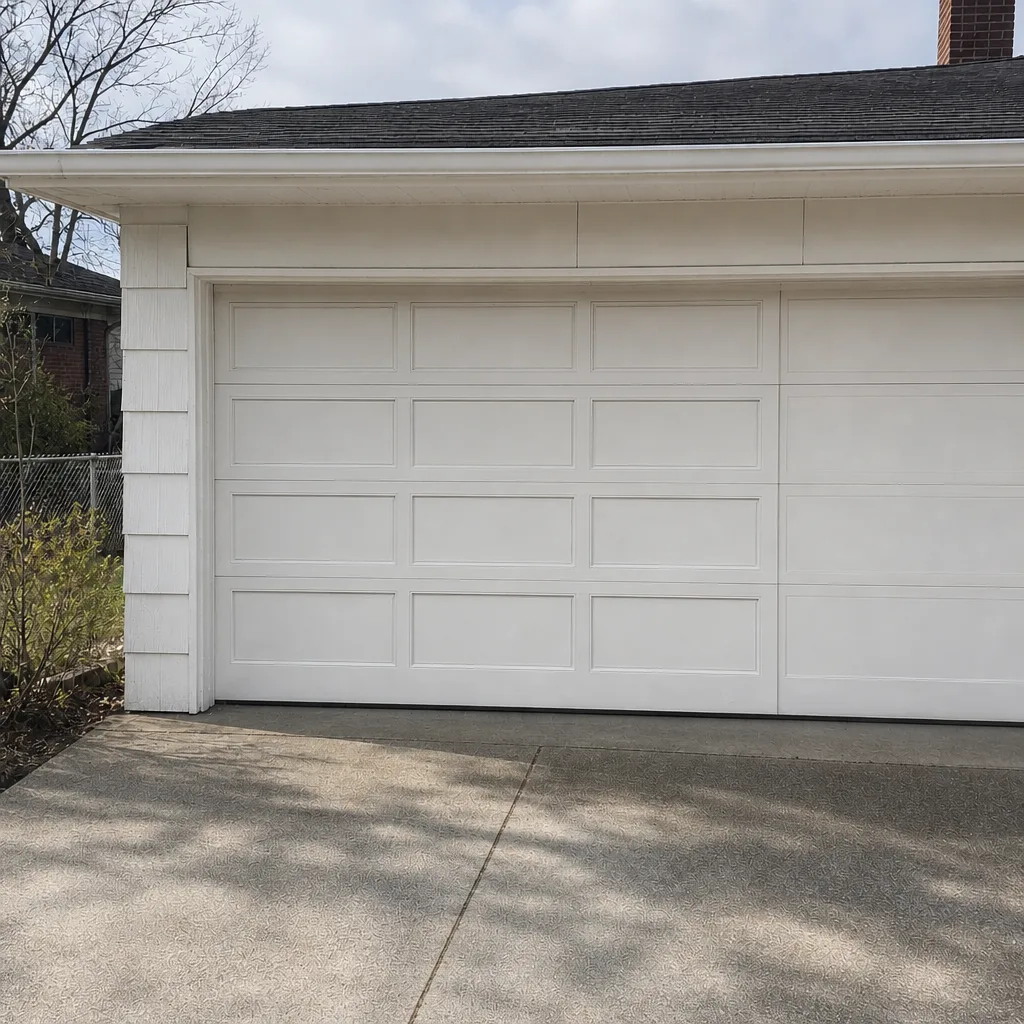 After
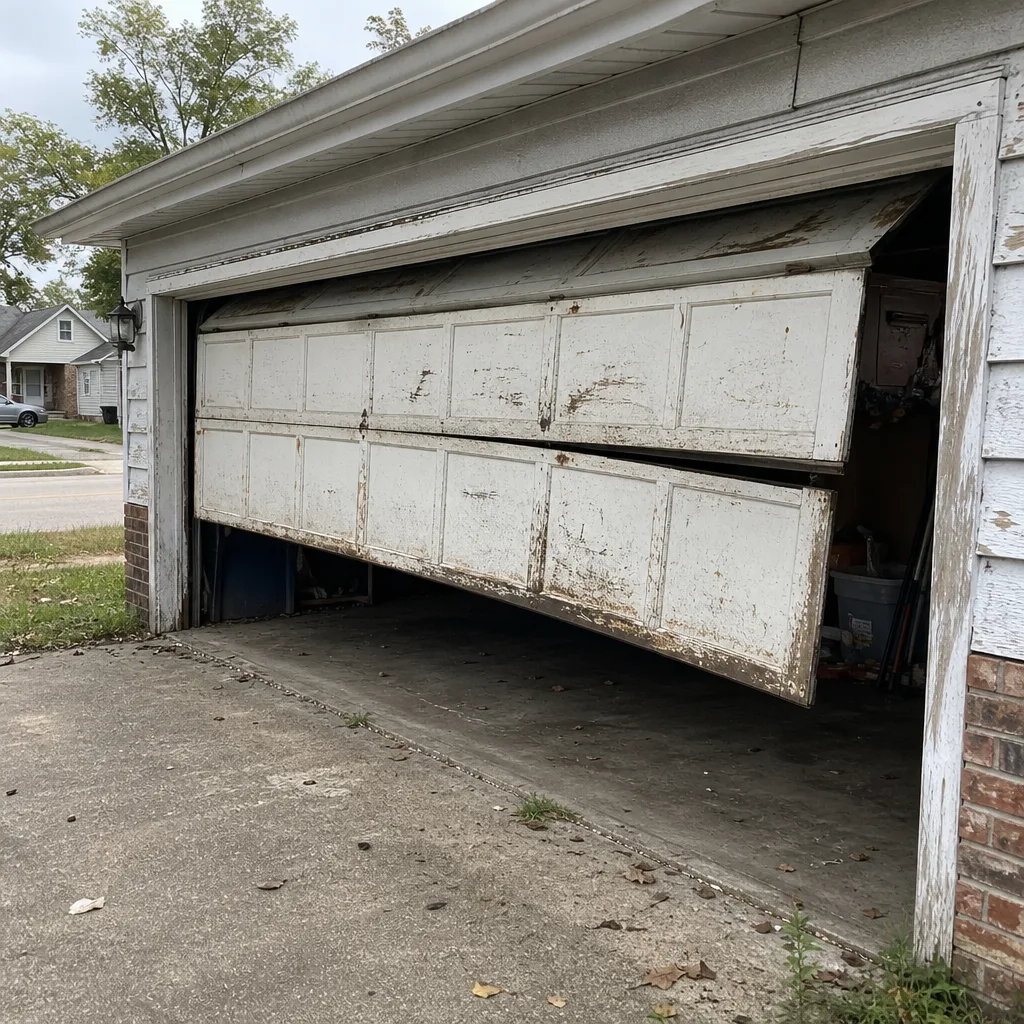 Before
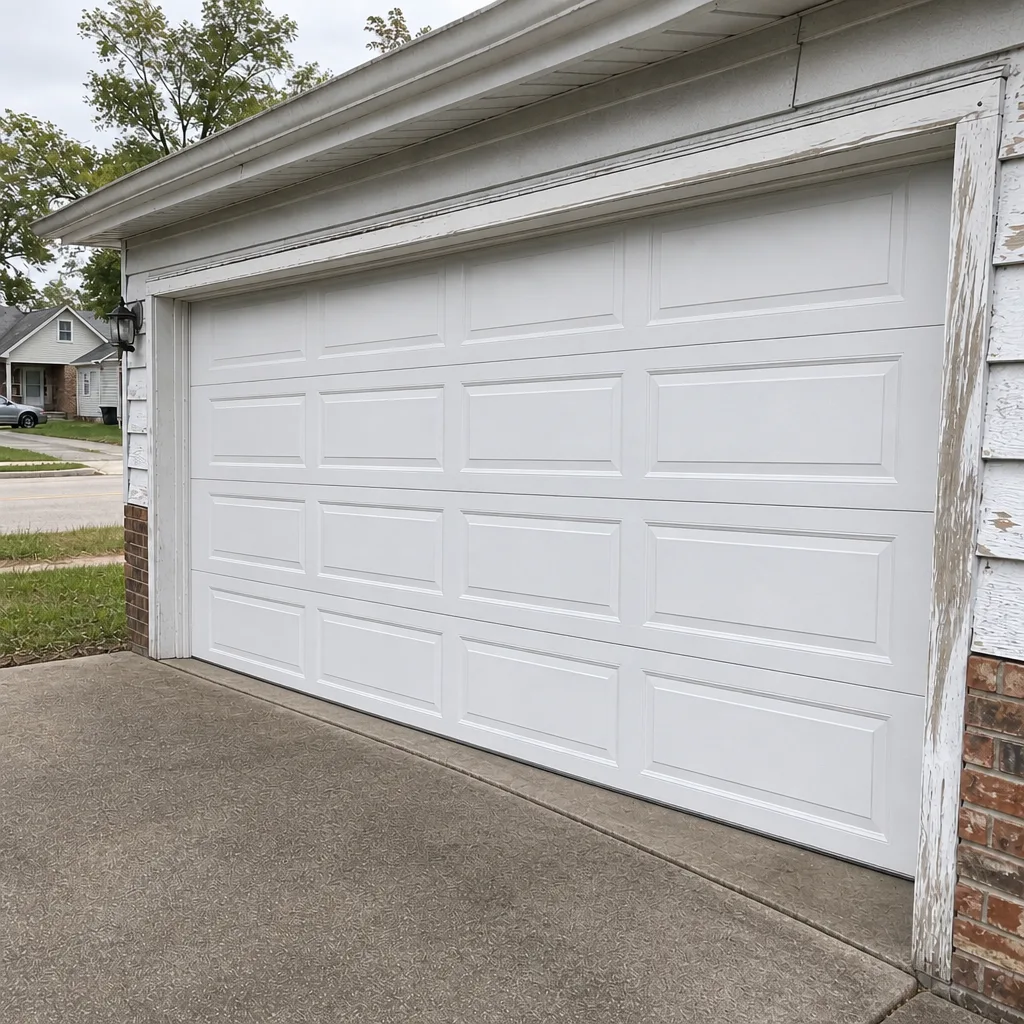 After
When to Call a Professional
If your project involves the structural header, the rough opening, a new electrical circuit for an opener, or a door that’s larger than the current one, call a professional before doing anything. If your door has started making noises that suggest a spring or cable is on the edge, call before you operate it again. Springs and cables are the most dangerous parts of any garage door. We handle them so you don’t have to. Garage Door Repair Fairfield Pros offers free estimates in Fairfield, and our technicians have up to 10 years of experience across LiftMaster, Chamberlain, Genie, Clopay, Amarr, Wayne Dalton, Craftsman, and Raynor systems. Call (844) 440-7065 to book a free estimate.
Frequently Asked Questions
Usually not, if it’s a like-for-like replacement in the same opening with the same door type and no new electrical. You need one when the header is modified, the rough opening changes size, or a new opener circuit is added. Call the City of Fairfield building department with your address to confirm before you order. If you want an estimate on the door side, call (844) 440-7065 – estimates are free.
Fairfield residential permit fees are valuation-based, and a straightforward garage door modification usually lands in the low hundreds of dollars, with a separate electrical permit when a new circuit is added. The exact fee depends on the city’s current schedule, so get it from the building department. Call (844) 440-7065 for the installation estimate side.
You can install a door yourself in some cases when no permit is required, but we strongly advise against tackling anything that touches the structural header, the torsion springs, or new electrical. Springs are under high tension and can cause serious injury if released under load. A trained technician and an inspection are the safer path. Call (844) 440-7065 for a free estimate.
It can, and the problem usually shows up through the buyer’s home inspector and lender. Missing permit records on structural or electrical work can stall a title transfer or force retroactive permitting. Keep your permit number, final inspection slip, and photos together, and call (844) 440-7065 if you want a professional to check the door’s operation before your inspection.
It depends on the electrical side. If the garage already has a circuit at the opener’s location, a replacement opener is usually not permit work. If the door never had an opener and a new circuit has to be added, that electrical work typically requires a permit. Confirm with the City of Fairfield building department for your address. Call (844) 440-7065 for the opener installation estimate.
The City of Fairfield building department inspects garage door work inside city limits. Butler County handles permits in unincorporated areas outside the city. The right first call is whichever authority has jurisdiction over your address, and for most Fairfield homeowners that’s the city. Call (844) 440-7065 if you want to talk through the scope before you dial the building department.
The Bottom Line
Most garage door work in Fairfield doesn’t need a permit. A straight door-for-door replacement is maintenance. The moment you change the rough opening, touch the structural header, or add an opener circuit to a door that never had one, you’re in permit territory, and three modifications are the usual culprits. Confirm jurisdiction, call the City of Fairfield building department with your address before you order a door, and keep the paperwork. The permit fee is small compared to what an unpermitted job can cost you at a home sale. And if your project includes a door that needs replacing or a spring that needs hands-on work, we’re happy to help.
Call (844) 440-7065 for a free estimate on your Fairfield garage door repair, opener repair, spring repair, or installation. Our technicians have up to 10 years of experience across LiftMaster, Chamberlain, Genie, Clopay, Amarr, Wayne Dalton, Craftsman, and Raynor systems, and we offer emergency service when a door fails and you can’t wait for a scheduled window.
Written by the team at Garage Door Repair Fairfield Pros.