Last updated November 22, 2026
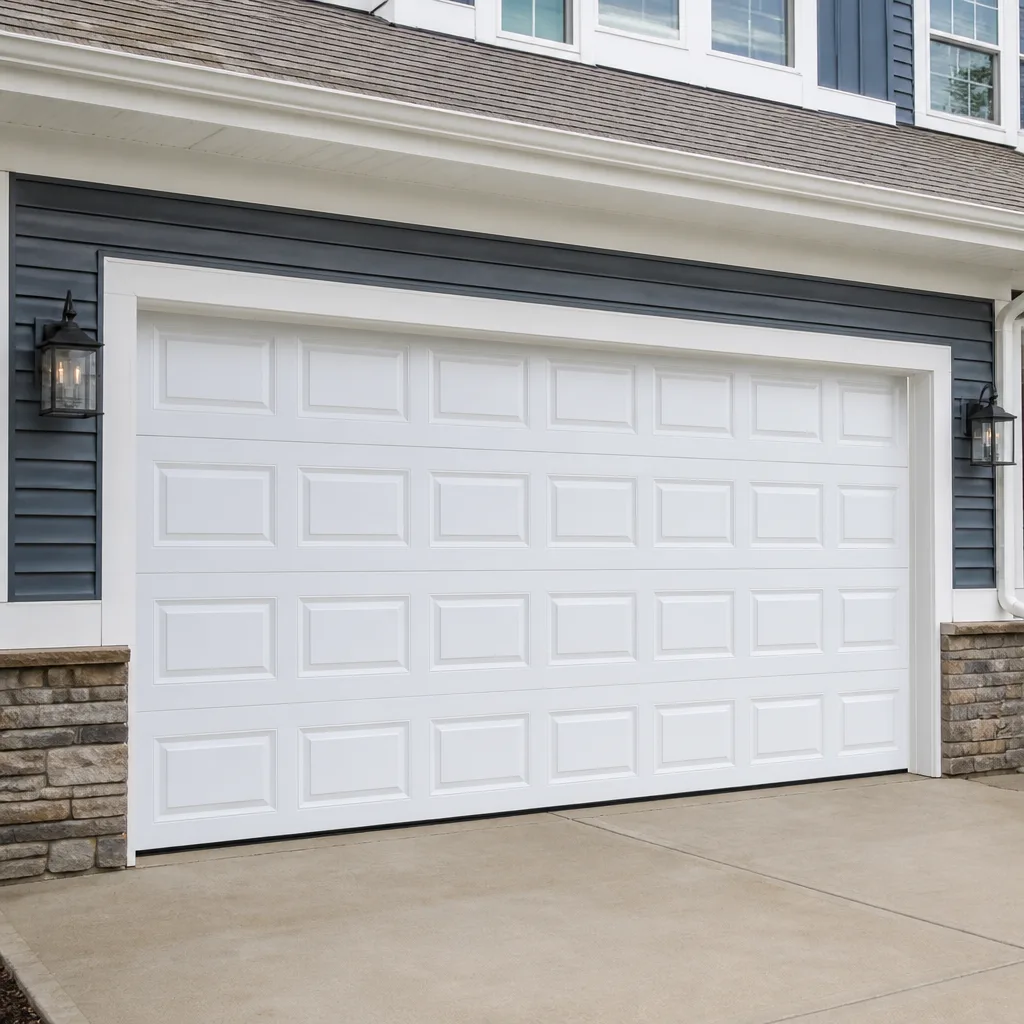 Raised-panel steel
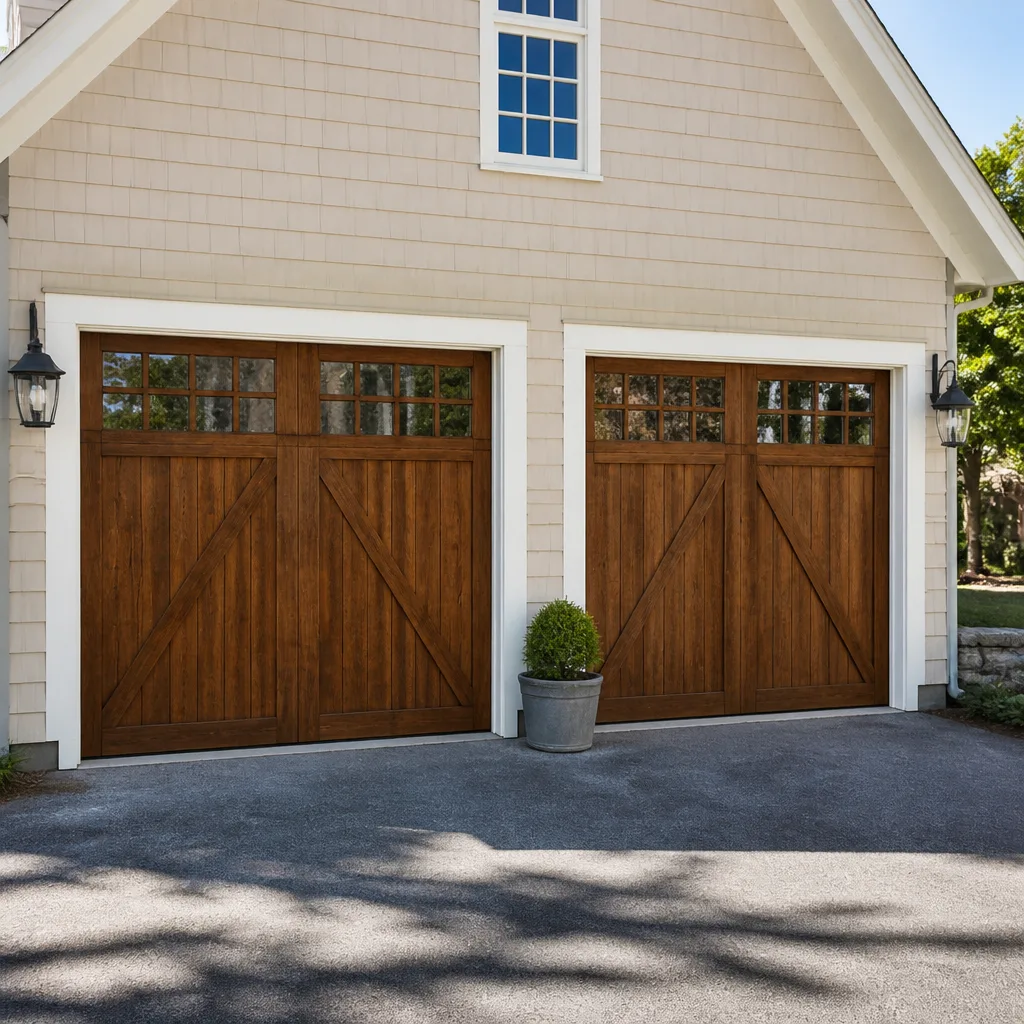 Carriage house
 Modern flush
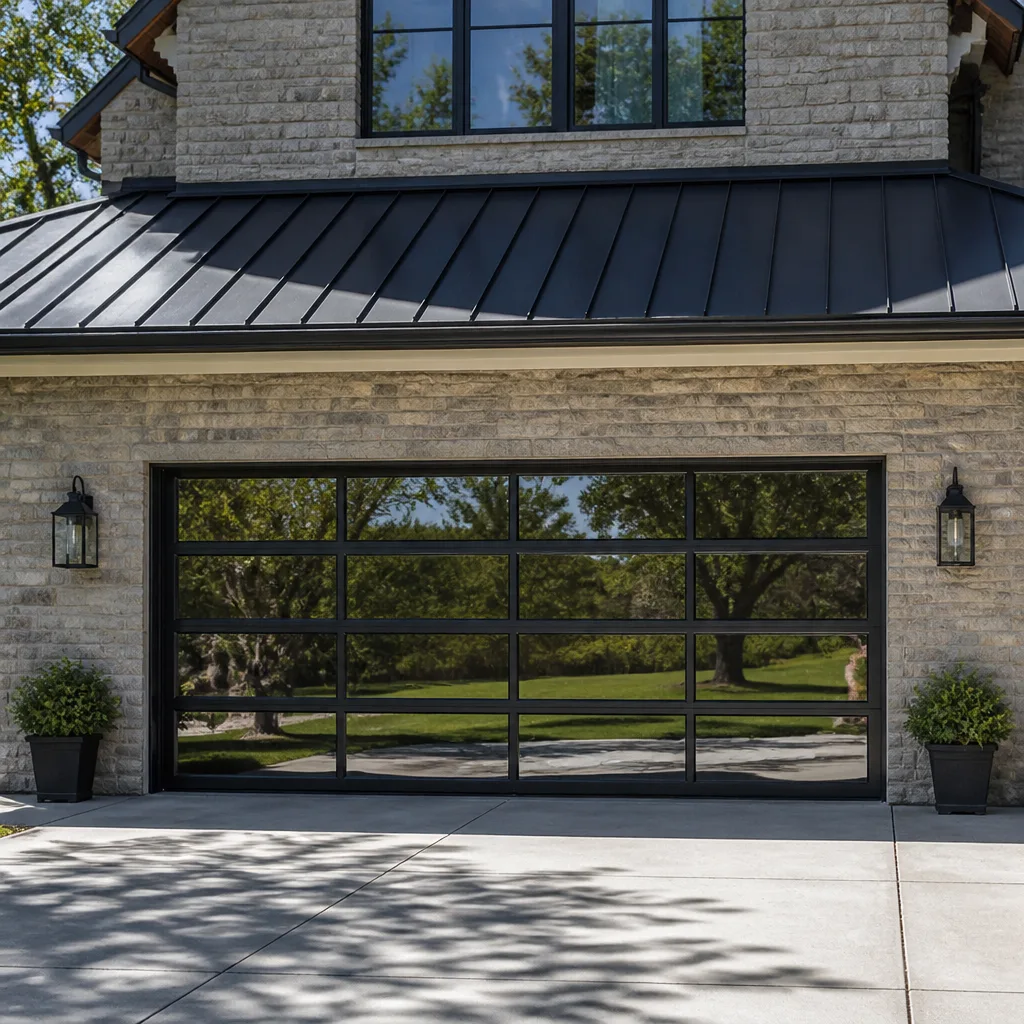 Full-view glass
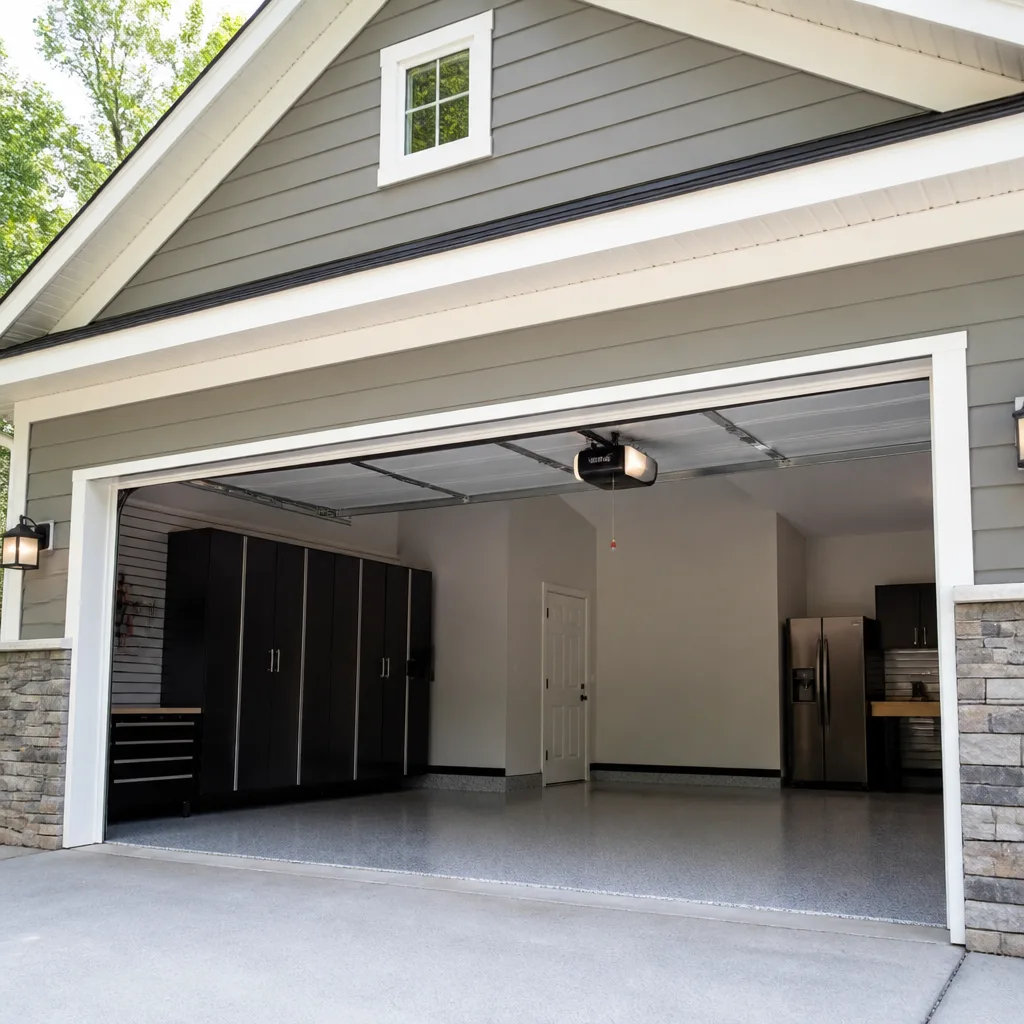 LiftMaster openers
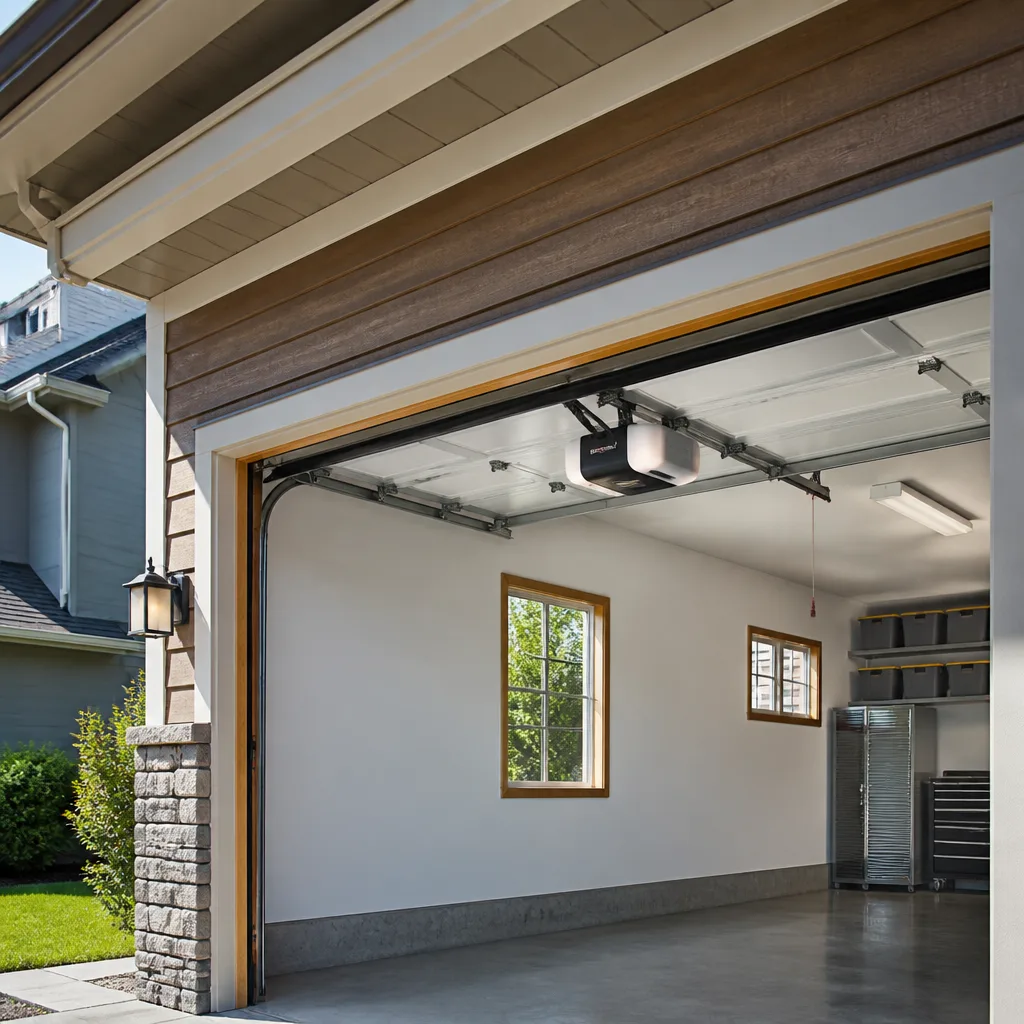 Chamberlain openers
Full 25-point door and opener safety check with every visit - springs, cables, rollers, tracks, and your LiftMaster or Chamberlain opener included
You get a price before we start. It does not change when the pro arrives.
Get your free estimateGarage Door Repair Maintenance Checklist for Fairfield Homeowners
The emergency calls we take most often don’t start with a broken spring. They start with a bottom seal that cracked two winters ago, a roller that ground its own bearings flat, or a hinge nobody had looked at since the day the door was hung. Each of those fails slowly and quietly, then announces itself all at once when someone is leaving for work and the door comes down crooked and stops. This checklist is built backward from the repair calls we actually run in Fairfield, so every item on it has a proven failure mode behind it. Work through it and you’ll spot most of these problems while they’re still cheap.
Quick Answer
A garage door maintenance checklist for Fairfield should cover a monthly visual inspection of the bottom seal, rollers, hinges and cables, lubrication every few months with a product suited to Ohio’s temperature swings, a balance and force test done by hand, and a yearly written record of what you checked and what you found. The tasks that matter most here are the ones tied to our seasonal freeze-and-thaw cycle and the salt and grit tracked in off winter driveways, because those are what drive most of the repair calls we get in Fairfield.
Styles & brands we work with
- Raised-panel steel
- Carriage house
- Modern flush
- Full-view glass
- LiftMaster openers
- Chamberlain openers
Table of Contents
- The Monthly 10-Minute Walk-Around
- Lubrication: What to Use, Where, and What to Leave Alone
- Testing Balance and Auto-Reverse by Hand
- Bottom Seals, Weatherstripping and Driveway Grit
- Reading Cables and Springs Before They Fail
- Opener Checks for LiftMaster, Chamberlain and the Rest
- Keeping Records That Help a Technician Diagnose Faster
- The Fairfield Seasonal Calendar
The Monthly 10-Minute Walk-Around
Ten minutes once a month catches more trouble than an hour of tinkering once a year. Do this with the door closed and the opener disconnected, then again with it open, and you’ll see things the eye misses when a door is in motion. This is the routine we suggest for every Fairfield home, whether the door is a builder-grade Craftsman unit or a newer insulated Amarr door.
- Look at the bottom seal. Run your hand along the rubber and check for cracks, missing chunks, or a seal that has pulled loose from the aluminum retainer.
- Check the rollers. With the door closed, look at each roller in its hinge. Nylon rollers should spin and look smooth. Steel rollers should be free of flat spots and rust streaks.
- Inspect hinges and their fasteners. Loose hinge screws back out over a season of expanding and contracting. A hinge that wobbles puts the whole panel line out of alignment.
- Scan the horizontal tracks for dents or rusty spots. A dented track makes a door drag even if everything else is fine.
- Check the vertical tracks for debris. Grit from a Fairfield driveway collects at the bottom of the verticals, and that’s exactly where rollers bind.
- Look at the lift cables. Cables run from the bottom brackets up to the drums. Check for fraying, kinks or rust bleeding through.
- Look up at the springs. Torsion springs sit above the door, extension springs run along the sides on older doors. Note any gap in a torsion coil or stretched extension springs.
- Test the wall button and remote. Confirm both close and open the door cleanly. A lag between button press and door movement is an early warning.
- Check the safety sensors. Wave a hand between the two sensors while the door is closing. The door should reverse immediately.
- Note anything that changed. A new rattle, a new squeak, a slow start. Write it down so you can compare next month.
If any of these checks turns up something you’re not comfortable with, that’s what we’re here for. Our garage door repair team can look at the door before a small issue becomes a call-you-on-a-Sunday problem.
Lubrication: What to Use, Where, and What to Leave Alone
Most garage doors fail from too much of the wrong lubricant, not too little. The parts that move need a light, clean product. The parts that grip need to stay dry. In Fairfield, where a door swings from single-digit cold in January to sticky summer heat by July, the wrong grease turns into a sticky paste that collects grit and wears metal faster than leaving the part dry.
What to use
Use a silicone-based or white lithium spray lubricant, not a heavy grease and not household oil. We prefer a dry silicone spray because it doesn’t attract the grit that blows off a Fairfield driveway. Apply it to a clean surface, wiping the part with a rag first. A dirty part holds onto fresh lube, and that combo makes a grinding paste.
Where to apply it (every 3-6 months)
- Rollers and their metal stems. Spray the bearing area, not the roller surface.
- Hinges at the pivot points. Two short bursts per hinge.
- The torsion spring coils themselves, in a light coat to slow rust. Here’s where we hint at an important line: torsion springs are under extreme tension even when the door is closed. Do not touch them, do not wrap them, do not wipe them down. Spray only, and only from a safe distance. If you’re not sure that’s safe, skip it and have a technician do it.
- The lock, if you have one.
- Metal rollers and exposed springs on older Wayne Dalton and similar doors. Where the spring is an extension spring on a side track, treat it as off limits and let us handle it.
Where NOT to apply it
- The horizontal tracks. Grease attracts grit and makes rollers slide instead of roll, which is worse than dry.
- The nylon rollers. Many modern nylon rollers have sealed bearings and need nothing.
- The belt or the chain itself unless the manufacturer’s instructions say to lubricate it. Over-lubricating a belt makes it slip; over-lubricating a chain makes it pick up lint and dirt.
- The photo-eye sensors. Never spray them. Wipe with a dry cloth.
- Screws and bolts that are already snug. A little oil on a snug fastener makes it back out.
The common mistake we see on Fairfield doors is a homeowner coating every moving surface with WD-40 once a season and calling it done. That’s the opposite of maintenance. It dries out and pulls grit onto the rollers, then a few months later the rollers are running rough and the door is dragging.
Testing Balance and Auto-Reverse by Hand
You don’t need a tool to find a door that’s out of balance or a force setting that’s too high. You need one hand and a few minutes. And this test matters more in Fairfield than most people realize, because a lot of the homes we work on sit on older concrete slabs that have settled and shifted over the years. An uneven driveway or garage floor throws off how the door seats, and that’s what actually throws the opener’s force calibration.
Balance test
- Close the door and pull the emergency release cord so the opener no longer drives the door.
- Lift the door by hand to about halfway up.
- Let go gently. A balanced door should sit still, or drift very slowly.
- If the door wants to drop hard, the spring counterbalance is too weak. If it wants to rise, the spring is too strong.
- Reconnect the opener before doing anything else.
Auto-reverse test
Put a piece of 2×4 flat on the floor in the door’s path. Close the door with the wall button. The door should reverse as soon as it touches the wood. If it stalls or crushes down on it, the force setting is too high. Turn it down a notch and repeat. Do the same test on a section of the floor where the concrete is a little uneven, because a Fairfield door that reverses on level floor can still fail on a shifted slab. And test the photo-eye reverse separately: wave a hand between the sensors while the door closes and it should stop and reverse instantly.
If the door no longer reverses reliably no matter what you adjust, stop using the opener and call us. A door that won’t reverse is a genuine hazard, and our garage door opener repair team can recalibrate or replace what’s needed.
Bottom Seals, Weatherstripping and Driveway Grit
The bottom seal is the cheapest part on your door and the one that fails fastest in Fairfield. Winter is the reason. Road salt and de-icing grit get tracked onto the driveway, and that mix works its way into the seal where it sits against the concrete. The rubber dries, cracks, and eventually tears. Once the seal is gone, the door no longer meets the floor cleanly, which lets in drafts, water and mice.
What to check on the seal
- Cracks or tears on the face of the rubber. Even a small crack grows fast once salt grit works into it.
- A seal pulled away from the aluminum retainer on one side. That’s a sign the door is hitting the floor crooked.
- A seal that has hardened and lost its flex. If it doesn’t spring back when you push it, it’s done.
- Any sign of light showing through at the corners when the door is down.
What to check on the side and top weatherstripping
Run a hand along the jamb and top trim. The brush or rubber strip should touch the door without flattening. In Fairfield’s temperature swings, foam weatherstripping can shrink and pull loose at the edges, which leaves a gap. If you can feel cold air at the corners in February, it’s time to replace the strip.
Also clean the driveway apron where the door meets the concrete. Grit collects there and gets ground into the seal every time the door cycles. A quick sweep once a week in winter is one of the cheapest maintenance steps you can do.
Reading Cables and Springs Before They Fail
Springs and cables are the two parts on a garage door that can genuinely hurt you, so this section is about looking and knowing, not touching. If anything below matches what you see, call a technician rather than attempt a repair. Our Garage Door Repair Fairfield Pros team handles springs and cables as a dedicated service for exactly this reason.
What a cable about to fail looks like
- Fraying. The steel braid has broken strands sticking out, like a bristle brush.
- Rust bleeding through. Cables should be bright steel. Orange or brown streaks mean the cable is thinning from corrosion, not just stained.
- Kinks or a bend you can see from six feet away. A cable that has kinked is no longer trustworthy, even if it’s holding.
- Cables that are slack on one side. That means the door isn’t balanced on its drums, which is dangerous on its own.
What a spring about to fail looks like
- Gaps in the coil. A torsion spring is a tight spiral. If a gap opens up between two coils, the spring is on its way out.
- Stretched extension springs. On older doors, extension springs should be a snug coil. A spring that has stretched and hangs loose is done.
- Rust and white powder. White streaks on a spring are corrosion under the powder coat. Springs under powder coat rust from the inside out, so rust on the outside means the spring is already weak.
- A loud bang and a door that no longer opens. This means the spring already broke. Stop using the opener and call for a technician. Do not try to lift the door by hand and prop it up.
Springs are the most dangerous part of any garage door. A torsion spring stores enough energy to do real damage, and extension springs can fly if they break without containment cables. We handle them so you don’t have to. If you see any of the warning signs above, a technician who works with those parts every day is the right call.
Opener Checks for LiftMaster, Chamberlain and the Rest
Most modern openers on Fairfield doors are one of a handful of brands: LiftMaster and Chamberlain are the two we see most often, and we also work on Genie, Craftsman, Raynor and the rest. A few checks keep them running, and knowing the early warning signs saves you from a morning with the car trapped inside.
What to check on the opener itself
- Listen to the door as it cycles. A smooth rumble is fine. Grinding, scraping or a door that lurches forward and back is a mechanical problem the opener is only the messenger for.
- Look at the safety sensors. Wipe the lenses with a dry cloth. Confirm the indicator light on each sensor is steady, not blinking. Sunlight hitting a sensor in a west-facing Fairfield garage is a common reason for a door that won’t close in the afternoon.
- Test the wall button and each remote. If one works and the other doesn’t, it’s usually the remote’s battery or its pairing. If neither works, check the power to the opener and the wall button wiring.
- Check the safety reverse one more time with the 2×4 test above.
- Clear the opener’s travel path. Look for anything stored on the tracks or in the door’s path. Stacked holiday boxes are a common culprit.
What opener brand differences mean for maintenance
LiftMaster and Chamberlain units with smart-home integration are usually part of a connected system, so a firmware update from the manufacturer can change behavior. If a door that worked yesterday suddenly shows an error code, check the manufacturer’s app for a recent update before assuming the motor is bad. Raynor and older Craftsman units are typically simpler mechanically and less affected by software, but their drive belts and chains wear out over time. Whatever brand you have, write down the model number from the label on the back of the unit. That one number saves a technician ten minutes on the phone and might get you a faster answer.
If an opener keeps losing its travel limits or won’t hold a remote pairing, that’s a job for our garage door installation specialists to evaluate, since a failing opener often signals a door that’s out of balance rather than a dead motor.
Keeping Records That Help a Technician Diagnose Faster
A five-minute log once a year saves real time and money when something goes wrong. Every part on your garage door has a rated cycle count, which is the number of up-and-down trips the manufacturer expects before the part should be replaced. Keeping track of how many cycles your door has run lets you and a technician know when a spring is nearing its limit, rather than waiting for it to break.
A simple annual record format
- Door make and model. From the label on the inside of the door panel.
- Opener make and model. From the label on the back of the motor unit.
- Spring type and rough age. Torsion or extension. When you installed it or when it was last replaced.
- Estimated daily cycles. Count the number of times the door opens and closes on a typical day. Multiply by 365.
- What you checked and what you found. A short bullet list for each annual inspection.
- What was replaced and when. Hinges, rollers, seal, springs, opener, remotes.
- Any recurring noise or complaint. Write it down the first time you notice it. “Grinding on open” plus a date is genuinely useful later.
Keep this in a file folder, a notes app, or taped inside the opener housing. When a technician arrives at your Fairfield home, that record shortens the diagnostic and lets them go straight to the right part. It also tells you when a spring is inside its last season and it’s worth planning the replacement on your schedule rather than on the day it snaps.
The Fairfield Seasonal Calendar
Fairfield’s climate is the reason a generic checklist doesn’t work. Our doors swing through cold winters with freeze-thaw cycles on concrete, then humid summers, then a fall with leaves and grit blowing into tracks. Here’s how to sequence the checks through the year.
Spring (March – May)
- Wash winter salt and grit off the bottom seal and the driveway apron.
- Inspect the bottom seal for cracks. Winter is when it dries out.
- Lubricate rollers, hinges and spring coils after the last hard frost.
- Check the balance after a winter of temperature swings. Torsion springs can lose a little tension.
- Clear the tracks of grit and any winter debris.
Summer (June – August)
- Test the auto-reverse. Heat can soften the seal enough that it no longer seats well.
- Check the sensors for spider webs and dust. A dusty sensor in July is a common service call.
- Listen for new noises; summer humidity can make a dry roller sound like a bad bearing.
Fall (September – November)
- Inspect the seal again before the first freeze.
- Look at the hinges and confirm fasteners are snug.
- Clear gutters and the top of the door panel so leaves don’t collect and hold moisture.
- Lubricate one last time before the cold arrives.
Winter (December – February)
- Clear the driveway apron of salt grit every week.
- Watch for the bottom seal pulling away from the door; frozen grit does that.
- Keep the tracks clear of snow that blows in.
- Watch for that first morning when the door sounds different. Cold metal and stiff grease make more noise than usual, and that’s often the first sign a part is on its way out.
Common Mistakes to Avoid
- Greasing the tracks. Grease picks up grit and turns into a paste that wears rollers. Tracks should be clean and dry.
- Using WD-40 as the universal lubricant. It dries out quickly and leaves a film that attracts grit. Use a proper silicone or white lithium product on the parts that actually need lube.
- Ignoring the bottom seal because it looks “mostly fine.” A cracked seal lets in water and drafts all winter and speeds up the next problem, which is rust on the bottom panel.
- Trying to adjust a torsion spring yourself. These carry extreme tension and can seriously injure you. Springs are a job for a trained technician every time.
- Skipping the auto-reverse test because “the sensors are on.” A sensor being lit doesn’t mean the door will reverse. The 2×4 test is what actually confirms it.
- Not writing anything down. Without a cycle count and a service history, every diagnosis starts from zero. A few lines a year makes a technician’s job faster.
- Calling a general handyman for spring or opener work. Garage door systems have specific failure points and spring energy that generalists aren’t trained for. A dedicated specialist is the right call.
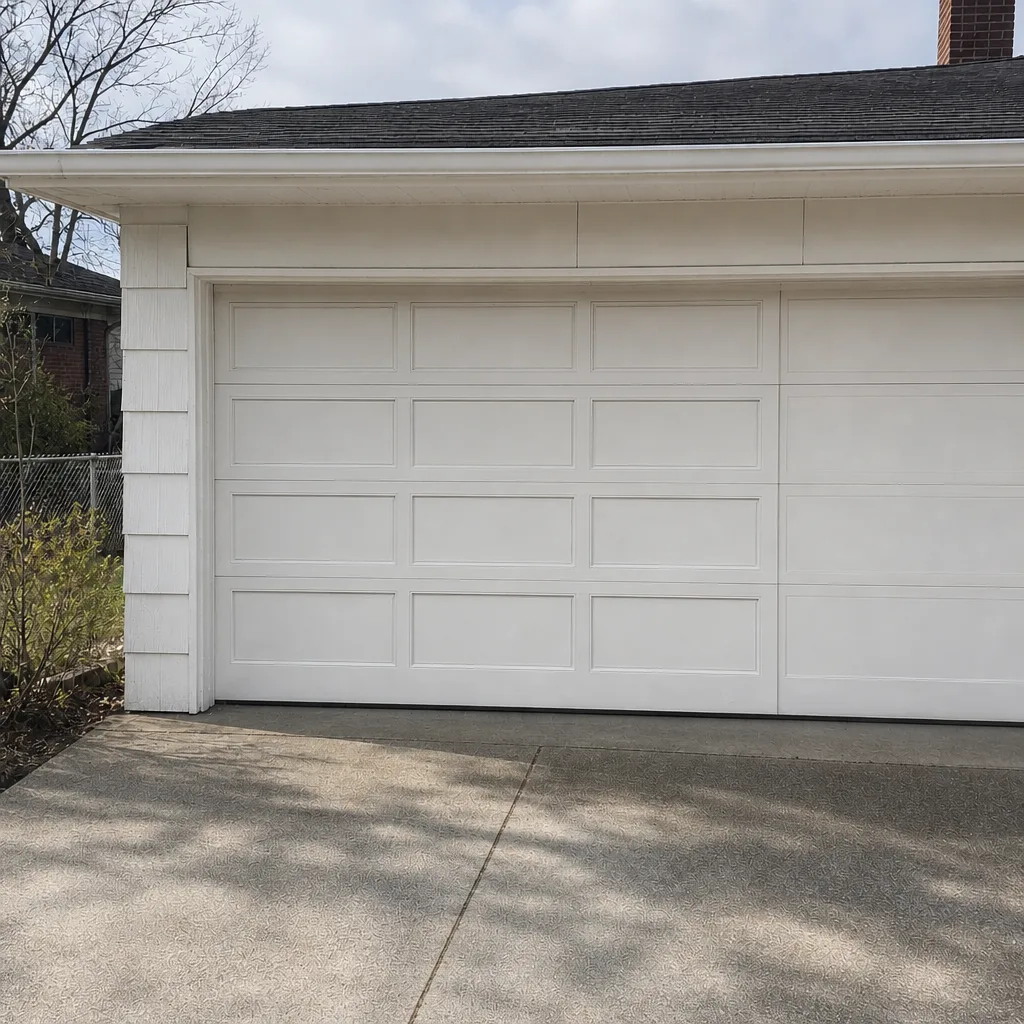
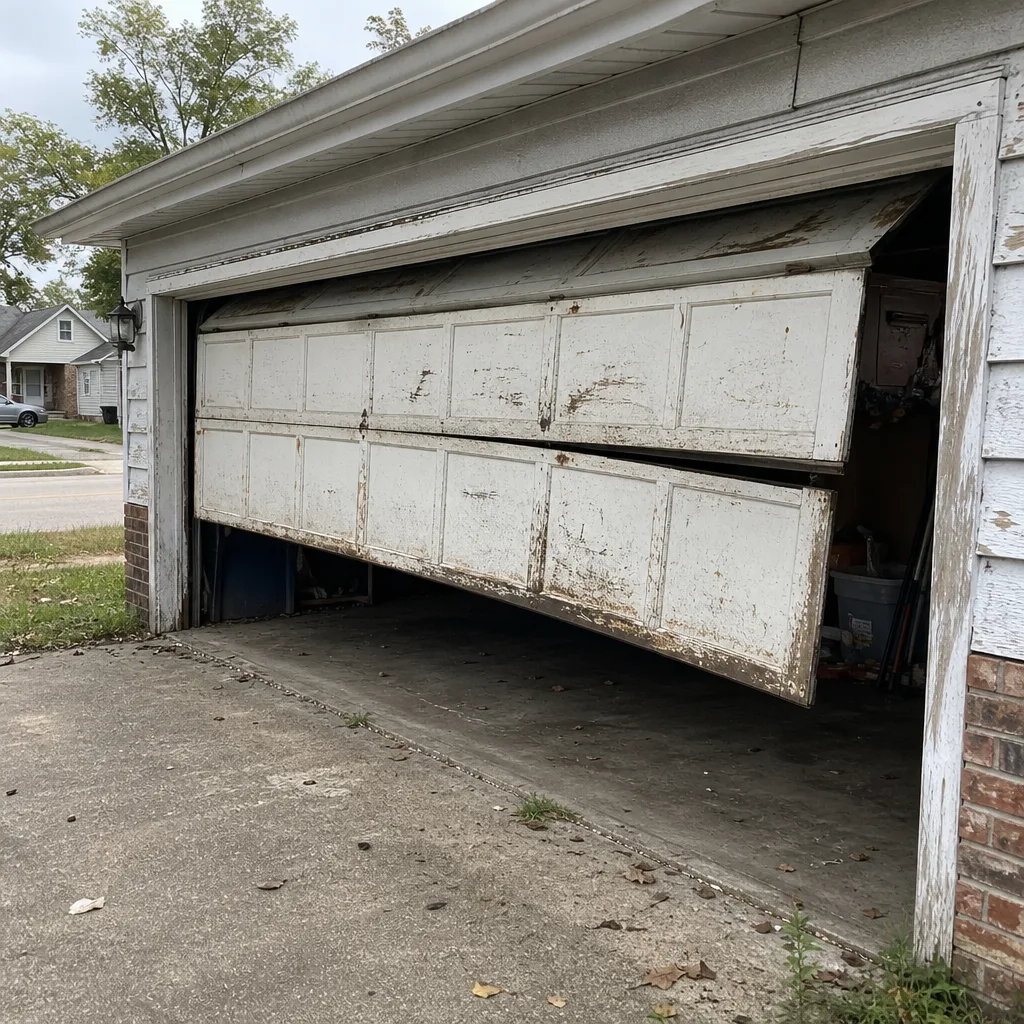
See the difference
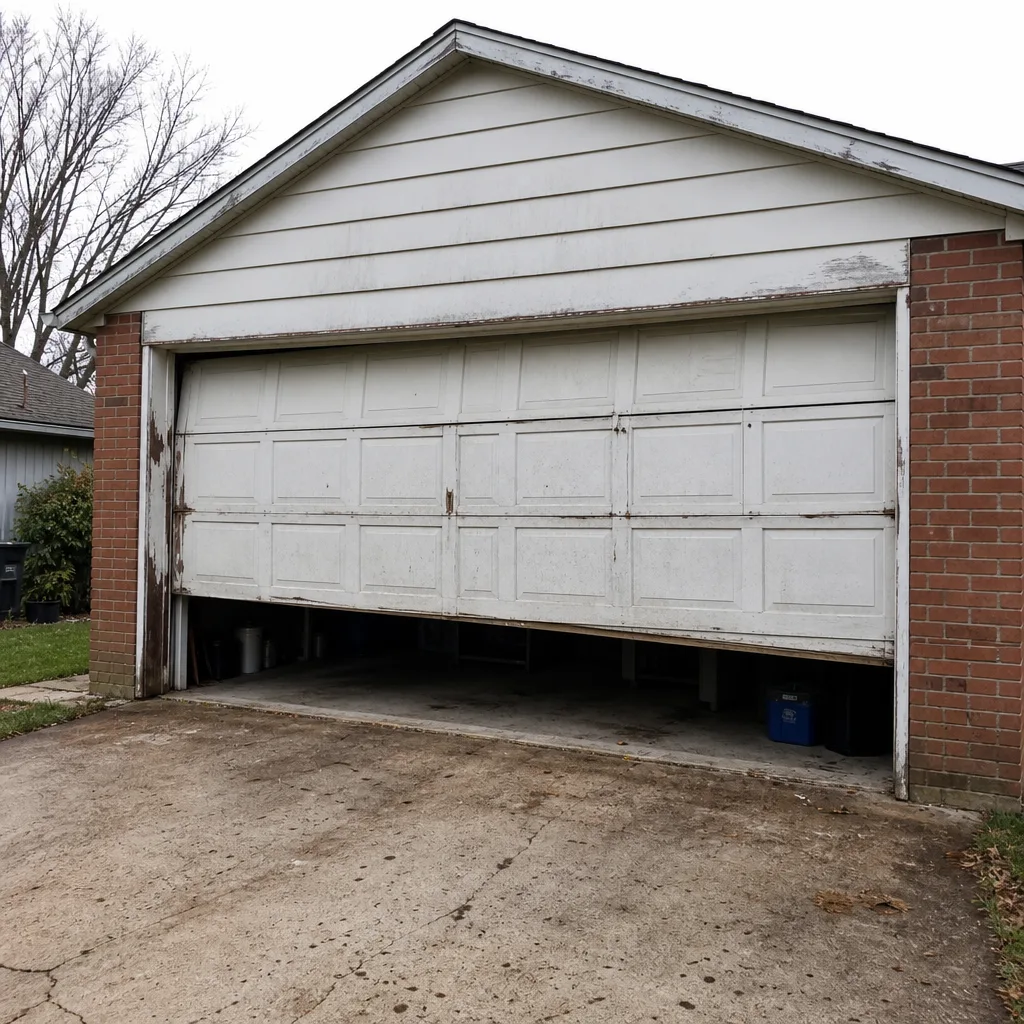 Before
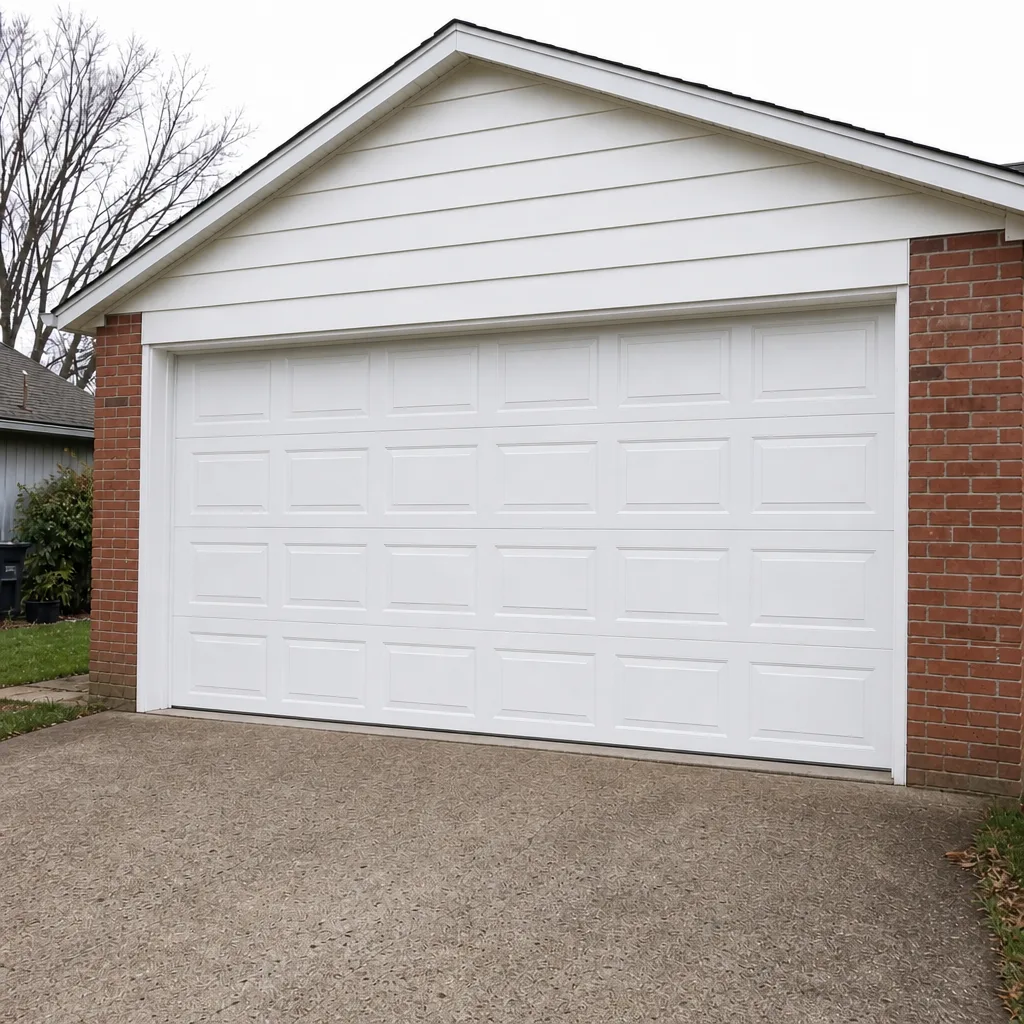 After
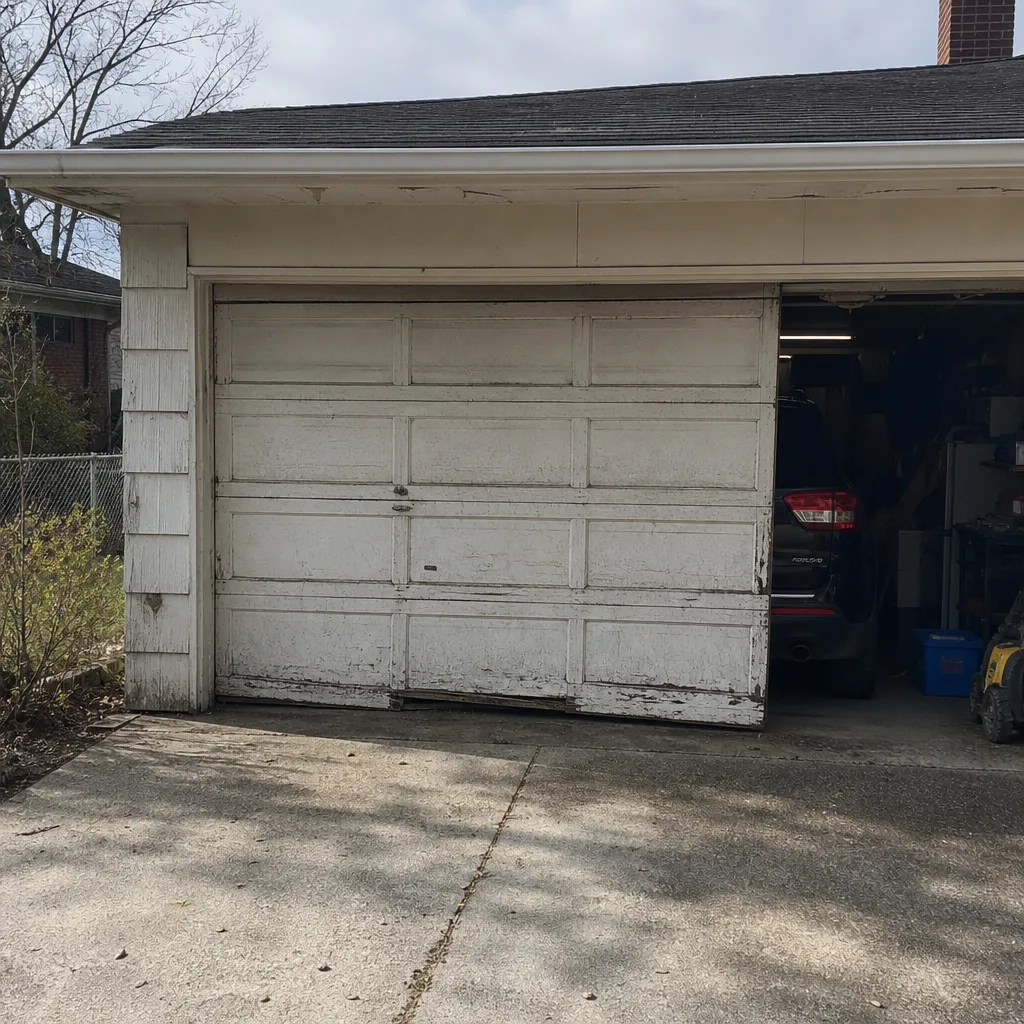 Before
 After
 Before
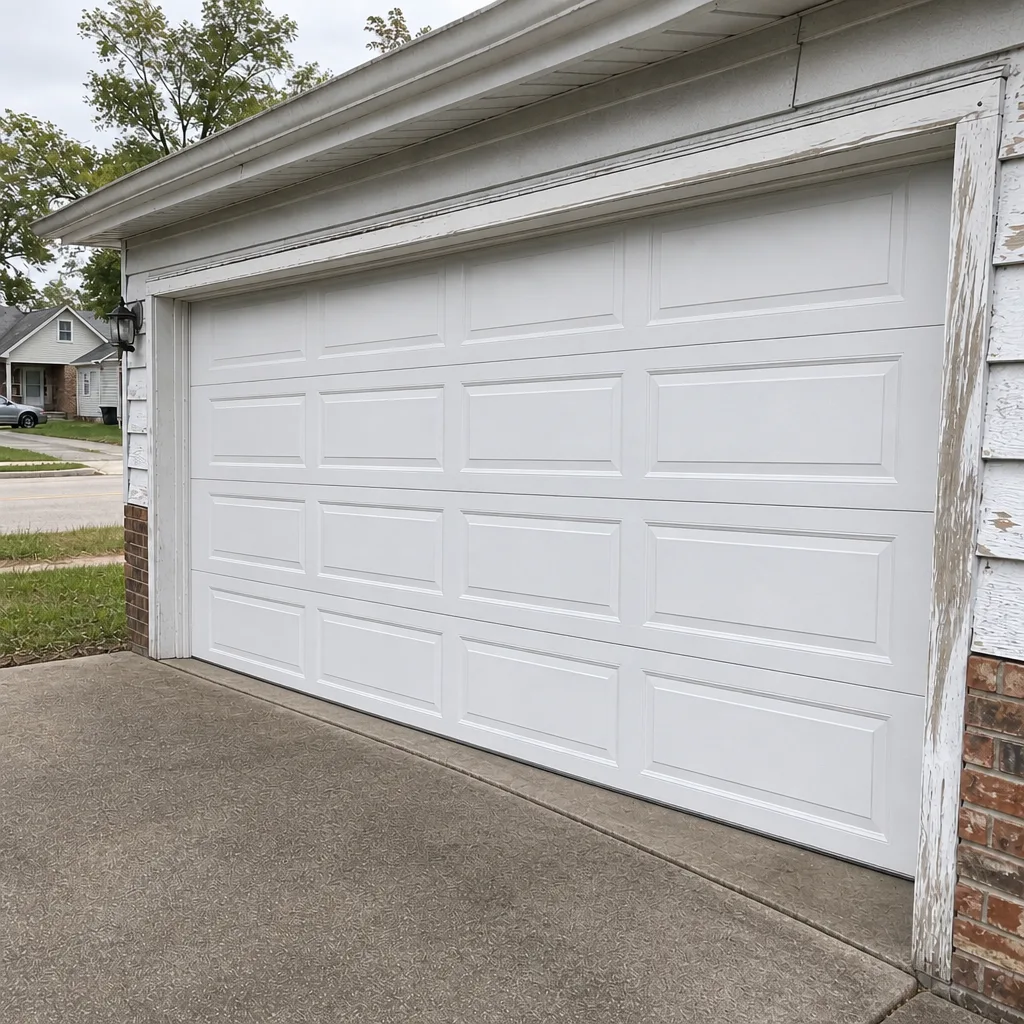 After
When to Call a Professional
Call a professional when you see a frayed cable, a spring with visible gaps or rust, a door that won’t balance, an opener that won’t reverse reliably, or panels that have come out of their tracks. Those are the scenarios where a DIY fix can turn into an injury or a bigger bill. Also call if the door has been struck by a vehicle, if any part has made a loud bang and stopped working, or if a roller has come out of its track entirely. Garage Door Repair Fairfield Pros offers free estimates in Fairfield. Call (844) 440-7065 and we’ll give you a written quote before any work starts, so you know the price before the tools come out.
Frequently Asked Questions
Lubricate the rollers, hinges and spring coils every three to six months, and always after the last hard frost in spring and again before the first cold snap in fall. Fairfield’s temperature swings dry out lubricant faster than a milder climate, so twice a year plus a midseason top-up keeps parts running cleanly. Use a silicone or white lithium spray, and never grease the tracks.
A failing torsion spring shows a visible gap between coils, rust streaks, or white corrosion powder on the powder coat. Extension springs on older doors look stretched and hang loose instead of sitting as a tight coil. If you see any of those signs, stop using the door and call a technician, since springs store enough energy to cause serious injury. Call (844) 440-7065 for a free estimate and we’ll quote the repair before we start.
Yes. Lay a piece of 2×4 flat on the floor in the door’s path and close the door with the wall button. The door should reverse as soon as it touches the wood. If it doesn’t, or if it presses down hard, the force setting is too high and should be adjusted or checked by a technician.
Salt and de-icing grit tracked onto a Fairfield driveway get ground into the rubber seal every time the door cycles, and winter freeze-thaw does the rest. The grit acts like sandpaper, the rubber dries and cracks. Sweeping the apron weekly in winter and replacing a cracked seal promptly extends its life considerably.
Compare the part’s rated cycle count against your door’s actual cycle count. Most parts are rated for a specific number of up-and-down trips, and springs, rollers and hinges all have different limits. Keeping a simple record of how often the door cycles per day lets a technician tell you when a part is near its limit before it fails. Call (844) 440-7065 if you’d like us to look at your record with you.
The local pros we connect Fairfield homeowners with are licensed and insured as their state requires. We can work with your insurer on a claim. Prices are quoted and agreed before any work begins, and the free estimate is the price. Call (844) 440-7065 to book one.
No. The written estimate we give you before any work starts is the price. If we discover something additional during the work, we stop and talk through the options before doing anything that changes the number. Call (844) 440-7065 for a free estimate.
We offer emergency garage door service for stuck doors, broken springs and openers that won’t respond, with fast dispatch from 7am to 7pm. A door that traps a car or leaves the house open is the kind of call we prioritize. Call (844) 440-7065 and we’ll confirm availability.
The Bottom Line
Garage door maintenance in Fairfield comes down to a handful of repeated habits: clean the seal and the tracks, lubricate the right parts with the right product, test the balance and auto-reverse by hand, look at the springs and cables without ever touching them, and keep a short written record so a technician can diagnose faster when something does fail. None of it takes long. Done consistently, it turns most emergency calls into planned repairs. Our technicians have up to 10 years of experience with Amarr, Wayne Dalton, Craftsman, Raynor and the other major brands, and we’re happy to put a trained eye on your door. Call (844) 440-7065 for a free estimate.
Written by the team at Garage Door Repair Fairfield Pros.