Last updated November 22, 2026
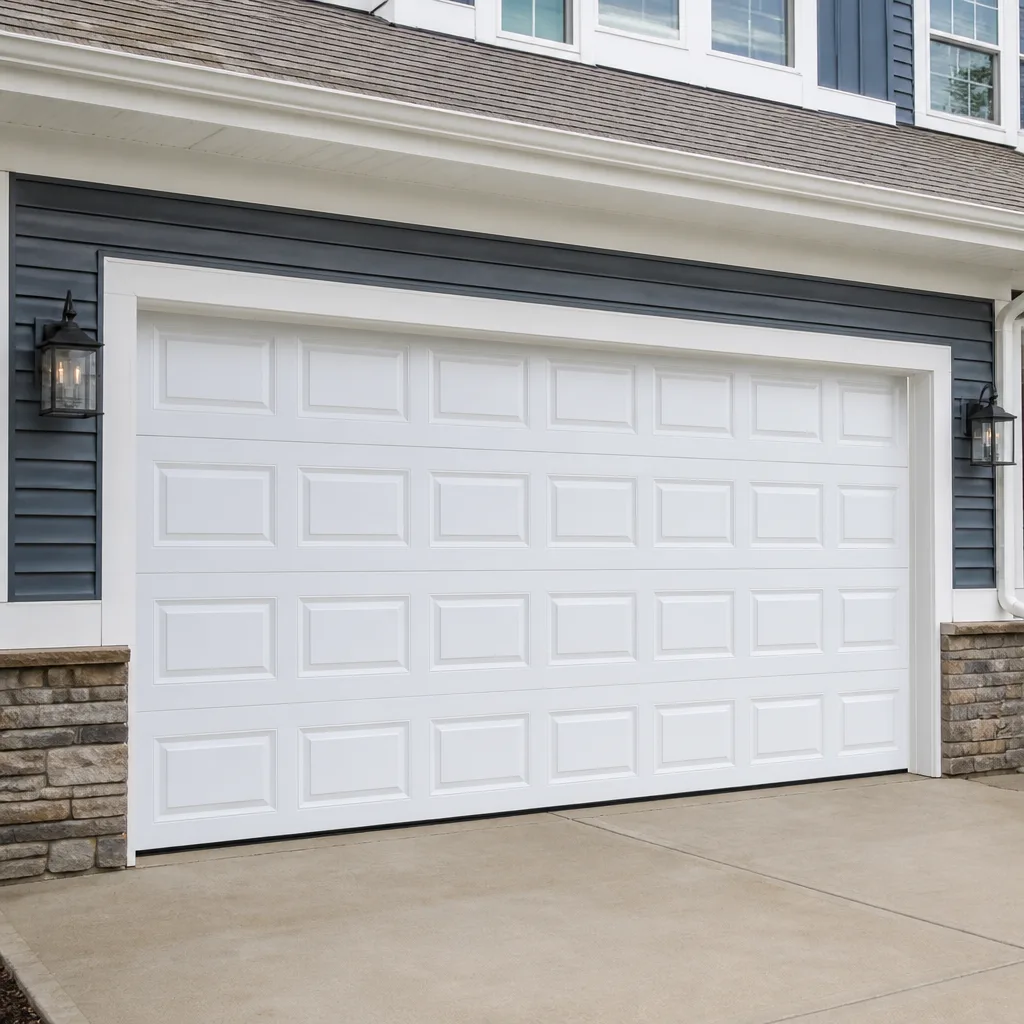 Raised-panel steel
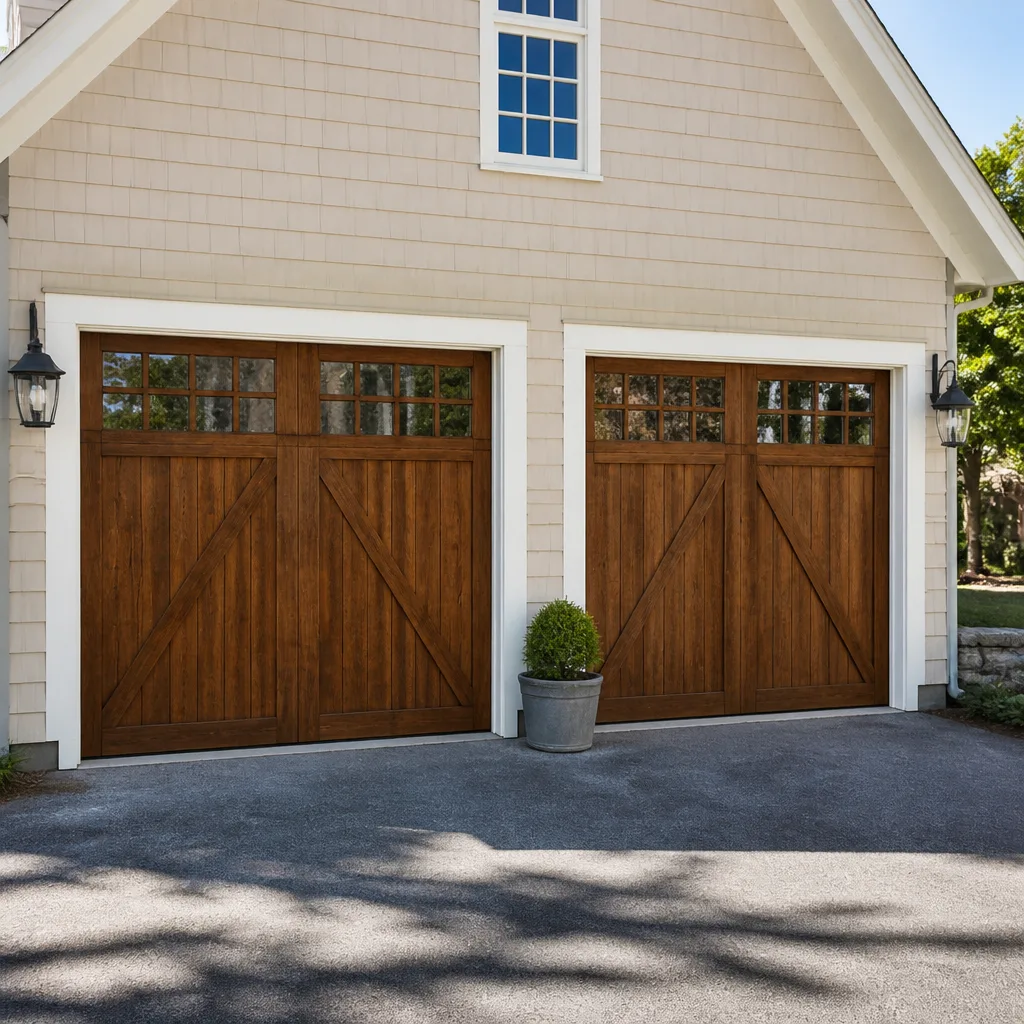 Carriage house
 Modern flush
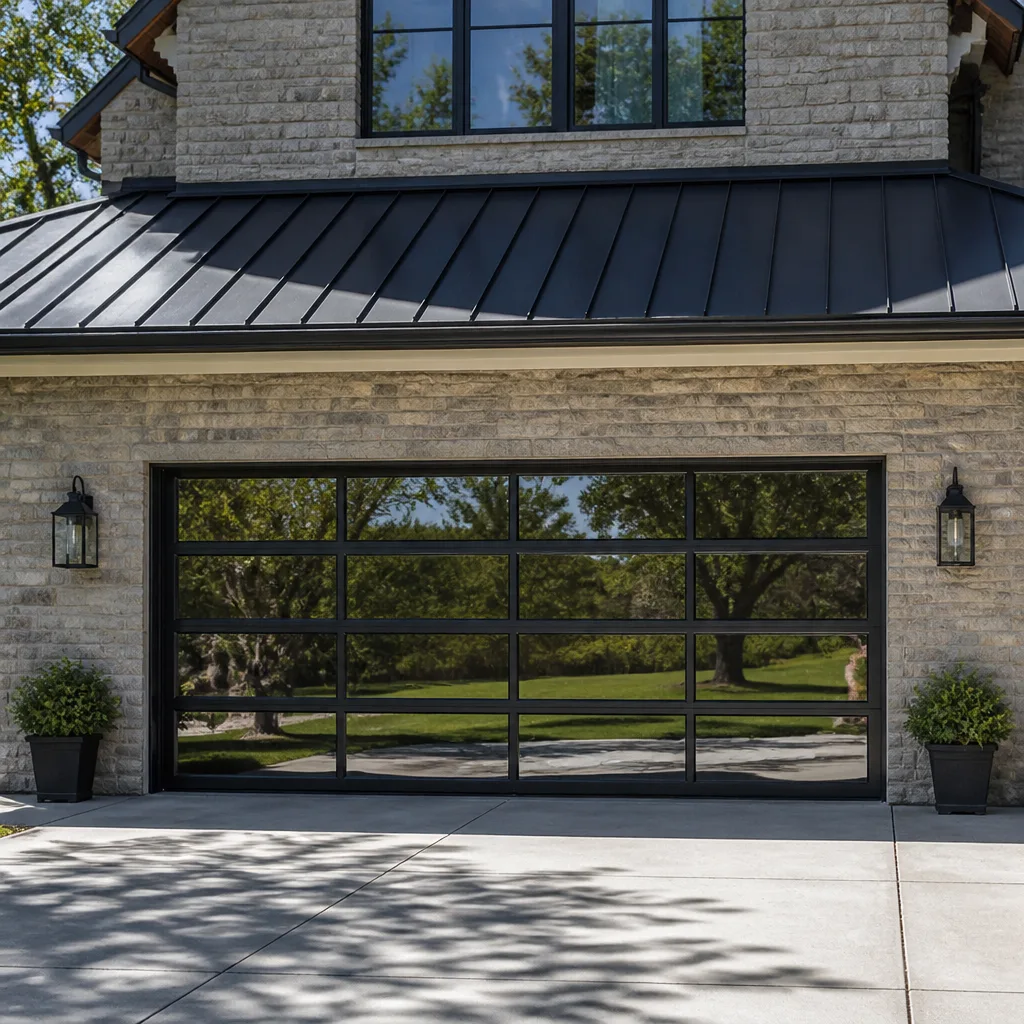 Full-view glass
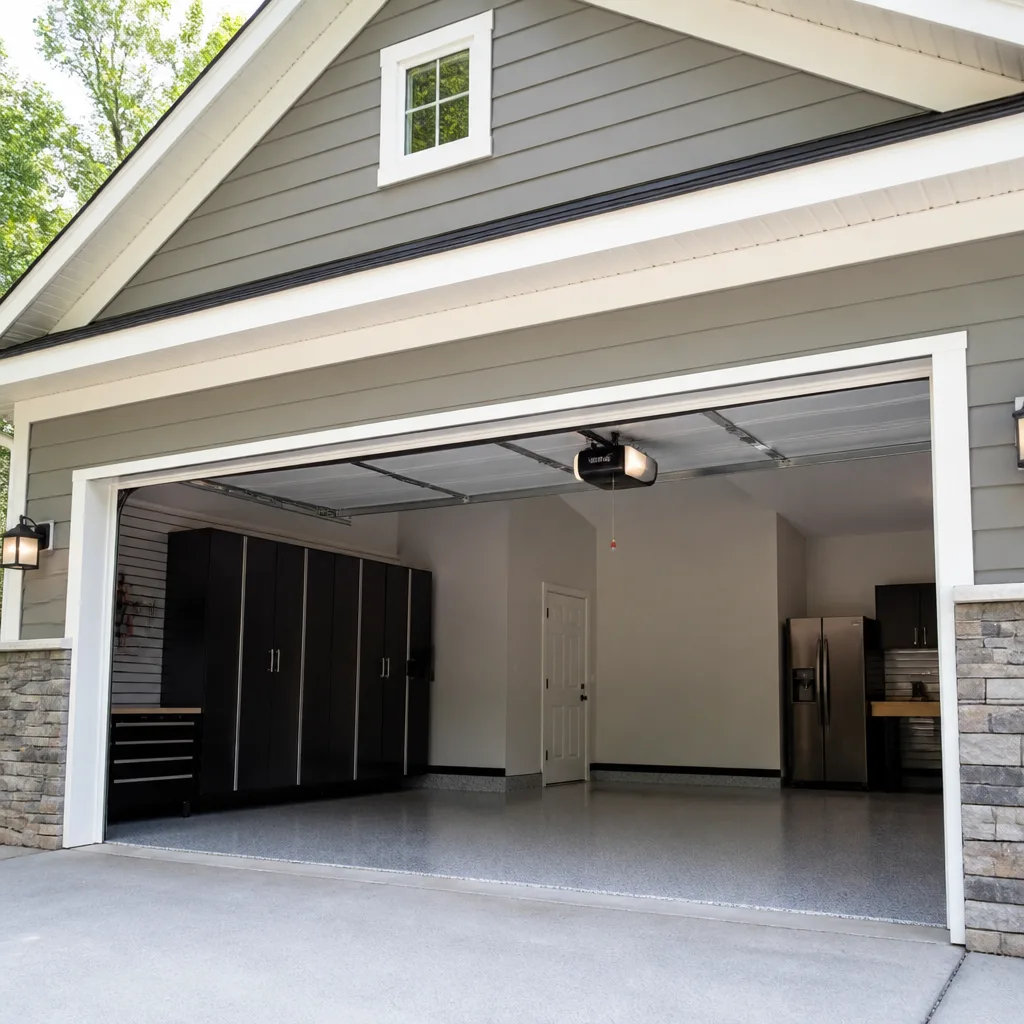 LiftMaster openers
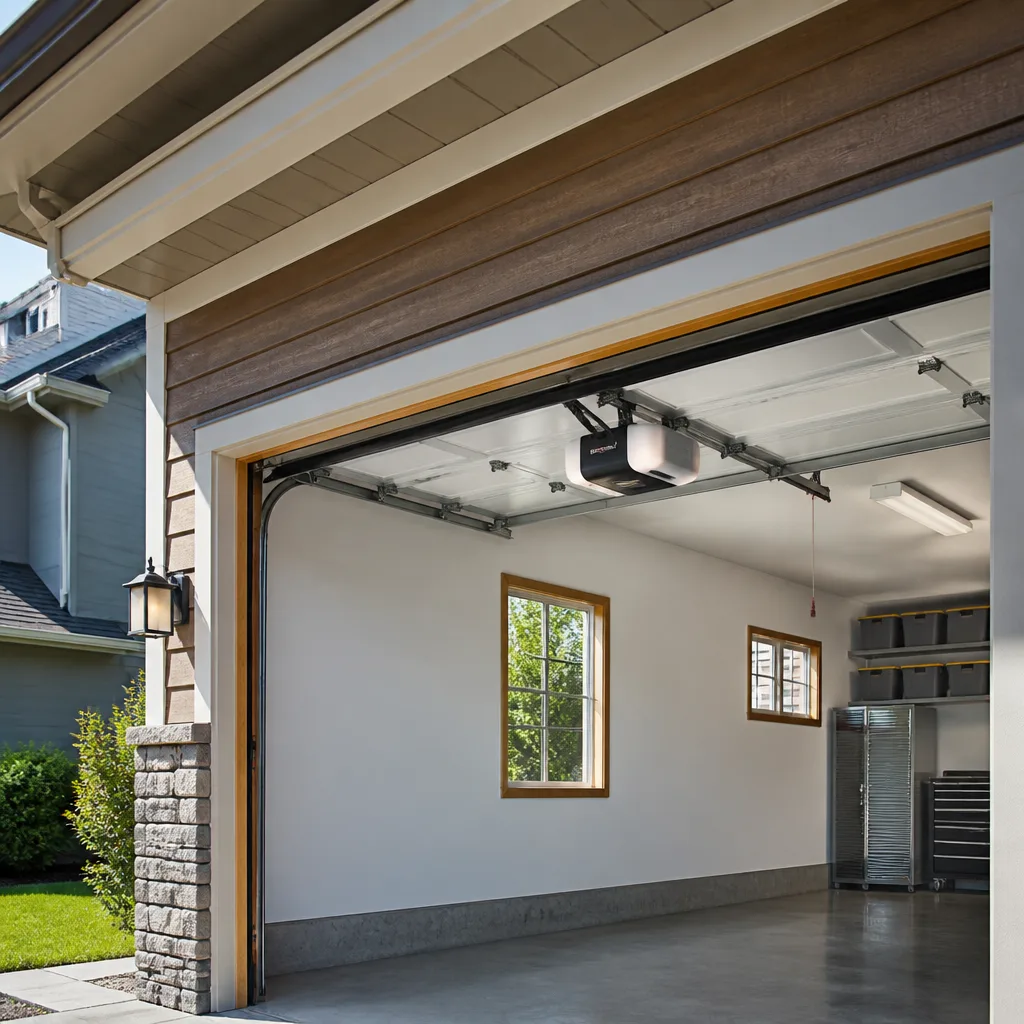 Chamberlain openers
Full 25-point door and opener safety check with every visit - springs, cables, rollers, tracks, and your LiftMaster or Chamberlain opener included
You get a price before we start. It does not change when the pro arrives.
Get your free estimateDIY vs Professional Garage Door: The Fairfield Homeowner’s Decision Guide
Most advice about garage doors splits into two useless camps: “never touch it, call a pro” or “here’s a YouTube video, have at it.” Both miss the point. The real question isn’t whether you’re handy enough. It’s whether the specific task in front of you can hurt you. A torsion spring holds enough stored energy to break a wrist in a fraction of a second, and that’s physics, not a scare tactic. But re-aligning a photo-eye, replacing a bottom weather seal, or reprogramming your opener are genuine 20-minute jobs that don’t need a service call. This guide draws that line clearly for Fairfield homeowners, task by task, so you neither overpay for the simple stuff nor gamble on the dangerous stuff.
Quick Answer
You can safely handle weather seals, lubrication, photo-eye alignment, and opener programming yourself. You should not touch torsion springs, cables, or structural panels, because those carry real injury risk and require specialized tools and training. Everything in between, like rollers, hinges, and opener logic boards, depends on your comfort level. For anything involving springs or cables in Fairfield, call a specialist.
Styles & brands we work with
- Raised-panel steel
- Carriage house
- Modern flush
- Full-view glass
- LiftMaster openers
- Chamberlain openers
Table of Contents
- Where the DIY Line Actually Falls
- Task-by-Task: What’s Safe and What Isn’t
- The Real Cost Comparison for Fairfield Homeowners
- Torsion vs Extension Springs: Why One Is Categorically Different
- The Warranty Trap Most Homeowners Don’t See Coming
- How to Describe a Failed DIY Fix to a Technician
- What Fairfield’s Climate and Housing Stock Mean for Your Door
- Common Mistakes to Avoid
Where the DIY Line Actually Falls
The divide isn’t about complexity. Plenty of garage door jobs are fiddly and still safe. The divide is about stored energy and load. Anything holding the weight of the door under tension, or keeping it from falling, belongs to a trained professional. Anything that touches the door’s fit, finish, or communication with the opener is usually fair game.
Here’s a simple way to sort any job you’re considering:
- Does it hold the door up? Springs, cables, and the brackets that anchor them are professional-only. No exceptions.
- Does it keep the door from falling? Same answer. Safety hardware is not a homeowner job.
- Does it only touch seals, tracks, or the opener? Most of this is DIY-safe if you follow the manufacturer’s instructions.
- Does it move structural weight or require lifting panels? That’s a two-person pro job, not a ladder-and-hope job.
In our experience across Fairfield, the jobs homeowners get into trouble with are the ones that look simple on video. A snapped cable whipping loose or a spring under load is not a “learn as you go” situation. If you ever feel the ladder wobble and think “this might be a bad idea,” it probably is. That instinct is worth listening to.
Task-by-Task: What’s Safe and What Isn’t
Here’s the practical breakdown. Keep this list handy before you decide to grab the toolbox or the phone.
DIY-Safe Jobs
- Replacing the bottom weather seal – a straightforward job with hand tools and a replacement strip sized to your door.
- Lubricating hinges, rollers, and tracks – a garage-door-specific lubricant, applied sparingly, quiets a noisy door and reduces wear.
- Aligning or cleaning photo-eye sensors – usually just a wipe-down or a small repositioning of the bracket.
- Reprogramming a remote or keypad – follow your opener manual, or check the brand’s support page. We work with Craftsman and LiftMaster often, and both publish clear steps.
- Tightening loose track bolts and hinges – as long as the track itself isn’t bent and you’re not adjusting the vertical alignment.
- Replacing a worn bottom bracket cover or a cosmetic trim piece – surface-level items only, never the load-bearing hardware underneath.
Professional-Only Jobs
- Torsion spring replacement or adjustment – the single most dangerous job on any garage door.
- Cable replacement – cables hold the door under tension and can whip loose if mishandled.
- Extension spring replacement – safer than torsion, but still loaded and still dangerous without proper tools and technique.
- Panel replacement – structural alignment and safe lifting require two trained people.
- Track straightening or replacement – a bent track can drop the door, and getting the geometry right matters.
- Opener logic board or motor replacement – electrical components and safe re-mounting under a loaded door.
If you’re ever unsure where a job falls, the honest answer is “call and ask.” For the bigger picture on keeping your door healthy, see our Garage Door Repair Fairfield Pros overview.
The Real Cost Comparison for Fairfield Homeowners
DIY only saves money when it actually solves the problem. If a homeowner tries a repair, gives up, and calls a professional anyway, the cost is double: parts bought twice and a service call on top. Here’s an honest look at the five most common jobs, with DIY time estimates and typical professional cost ranges.
| Repair | DIY Parts Cost | DIY Time (Realistic) | Typical Pro Cost (Labor + Parts) |
|---|---|---|---|
| Bottom weather seal replacement | Roughly $25-$60 | 20-40 minutes | Around $100-$200 |
| Photo-eye realignment or replacement | Roughly $15-$40 | 15-30 minutes | Around $90-$160 |
| Roller replacement (full set) | Roughly $20-$50 | 45-90 minutes | Around $120-$250 |
| Opener repair (board or sensor logic) | Parts vary widely | 1-3 hours, high risk of wrong part | Around $150-$350 |
| Torsion spring replacement (one spring) | Not recommended | Not recommended | Around $180-$340 for one spring; a matched pair runs roughly twice that |
These are typical Fairfield-area estimates. Your written quote sets the final price, and every job we quote is confirmed before any work starts. For spring work specifically, our garage door repair service covers the full replacement and balance check.
Notice where DIY actually makes sense: seals, sensors, and rollers. Those are genuinely worth doing yourself if you’re comfortable. Spring work and opener logic boards are where the math tips hard toward a professional. For opener-specific issues, our garage door opener repair page covers the common failure points on LiftMaster, Chamberlain, and Genie units.
Torsion vs Extension Springs: Why One Is Categorically Different
Torsion springs are wound under tension and mounted on a bar above the door. Extension springs stretch along the horizontal tracks at the sides. The key difference is how much energy each stores and what happens when it releases. A torsion spring carries far more stored energy, and the technique for winding and unwinding it requires specific rods and an understanding of the danger zone.
Extension springs are safer in comparison, usually because they have a safety containment cable. But “safer in comparison” still isn’t “safe.” Even a stretched extension spring can cause serious injury if it snaps while you’re handling it.
Here’s the honest rule even for experienced DIYers:
- Torsion springs: professional-only, no matter how many videos you’ve watched. The failure mode is fast and unforgiving.
- Extension springs: a trained technician job. If you’ve done them before with proper tools, you already know the risk. Most homeowners shouldn’t.
- Balance check after any spring work: essential. A door that isn’t rebalanced after a spring replacement puts extra strain on the opener and the remaining hardware.
We handle enough spring work in Fairfield to know that confidence on video doesn’t translate to safety in the driveway. Springs are the most dangerous part of any door. You’re better off letting a specialist take that one.
The Warranty Trap Most Homeowners Don’t See Coming
DIY repair can void a manufacturer’s warranty on components you never touched. That’s the trap. If you replace a torsion spring yourself and later discover a door panel defect, some manufacturers may decline the claim because the door was “serviced by an unqualified person.” The same applies to opener work: messing with internal wiring or the logic board can void coverage on the whole unit.
Warranty terms vary by brand. In our experience working with Craftsman, LiftMaster, Chamberlain, and Raynor, the strictest language tends to show up around opener electronics and door structural components. Cosmetic items and wear parts are usually covered differently. Before you pick up a screwdriver, it’s worth checking the specific terms in your owner’s manual.
This matters most if you’re near the end of a warranty period and the door is showing an issue that might be covered. A quick call to the manufacturer or a look at the manual will tell you what’s protected, and it can save you from unintentionally voiding coverage.
How to Describe a Failed DIY Fix to a Technician
If you’ve already tried a repair and it didn’t work, tell the technician exactly what you did. This isn’t about blame. It’s about safety and getting an accurate quote. Here’s what to have ready when you make the call:
- What you attempted. Spring adjustment, seal replacement, opener programming, cable re-routing, or something else.
- What happened afterward. Did the door move differently? Did the opener start throwing an error code? Does the door stop partway?
- What parts, if any, you replaced. Brand and part number if you have them. Off-brand parts sometimes fit incorrectly and cause subsequent faults.
- Whether you touched any load-bearing hardware. This is the critical disclosure. Your technician needs to know if anything under tension was moved.
- Whether the door is currently functional. Can it be opened manually? Is it stuck? Is it safe to leave closed?
That disclosure lets the technician plan the repair correctly and quote it accurately. It also avoids the “liability markup” problem: a professional can’t responsibly quote a fix without knowing what was already done. Honest information gets you an honest quote. If the door is stuck, our emergency service is the place to start; call and we’ll work out the fastest path.
For full door replacement conversations after a failed repair, see our garage door installation page.
What Fairfield’s Climate and Housing Stock Mean for Your Door
Fairfield sits in southwest Ohio, which means real seasonal swings: humid summers, freezing winters, and the freeze-thaw cycle that works on every seal and track in the area. That matters for two reasons.
First, weather seals fail faster here. The rubber or vinyl bottom seal takes the brunt of the temperature change. It’s one of the most common DIY replacements and one of the easiest, because the part is inexpensive and the job doesn’t touch anything under tension.
Second, winter cold stiffens lubricants and puts extra load on springs. A door that’s already marginal in autumn may fail once the first hard freeze hits. In our experience, Fairfield homeowners end up with more spring and opener issues after cold snaps than in summer. Lubricating hinges and rollers in fall is a simple habit that helps, but it won’t fix a spring that’s already at the end of its life.
If you’re new to the area, or you’ve inherited a door that hasn’t been serviced in some time, a professional inspection is a smart first step.
Common Mistakes to Avoid
- Treating torsion springs like extension springs. They’re not the same, and applying extension spring advice to torsion springs is how people get hurt. Know which your door has before you touch anything.
- Buying replacement parts by sight. Opener logic boards and motor assemblies differ between models, even within the same brand. Match the part number before ordering.
- Lubricating with the wrong product. WD-40 and similar solvents aren’t a garage door lubricant. They can attract grit and damage rollers. Use a product made for door hardware.
- Adjusting opener force settings to “fix” a heavy door. If the door feels heavy, the spring is usually the problem. Raising force overworks the opener and can mask a dangerous underlying issue.
- Ignoring a bent track. A bent track can drop the door or cause the opener to fail repeatedly. It’s a professional fix.
- Starting a repair while the door is under tension. Never begin work on a door that’s stuck open or under load. Get it to a safe position first, and call a professional if that’s not possible.
- Not checking your warranty before touching electronics. A five-minute manual check can save a coverage headache down the line.
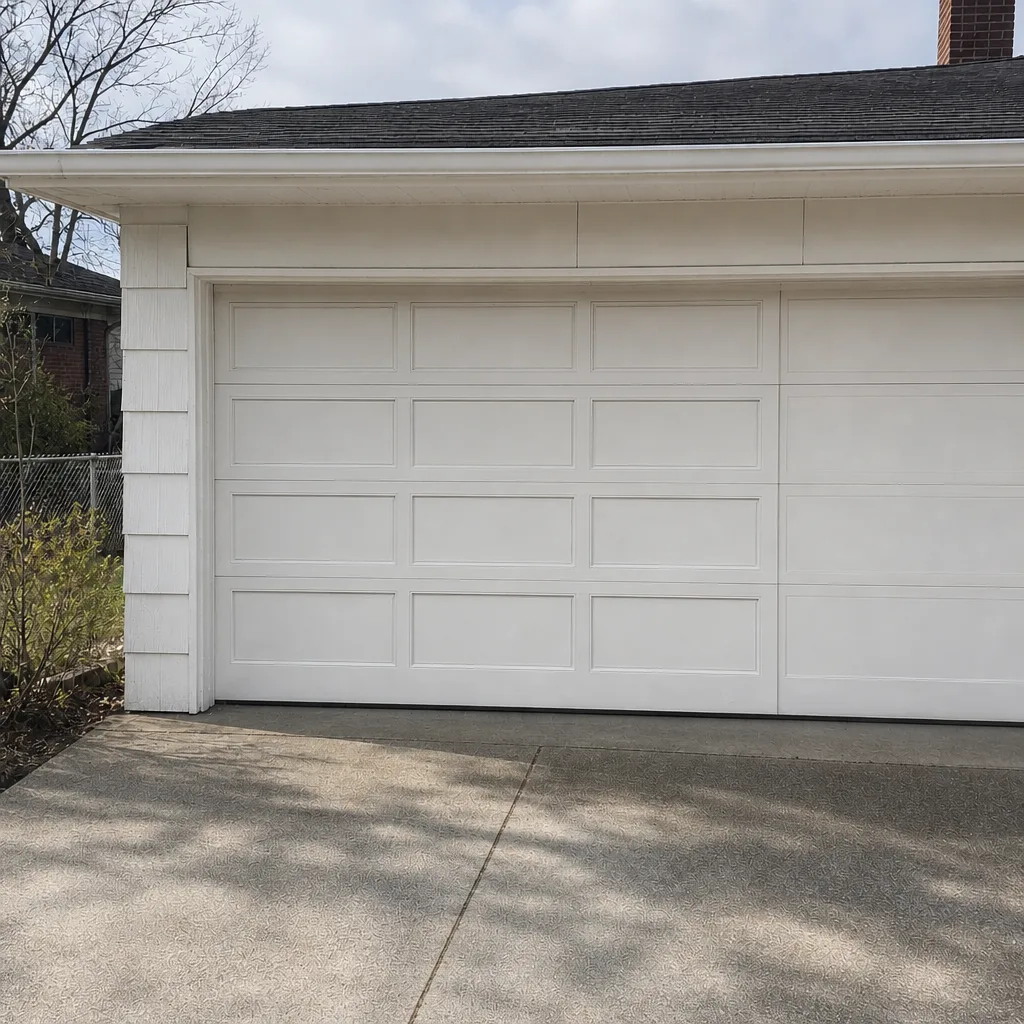
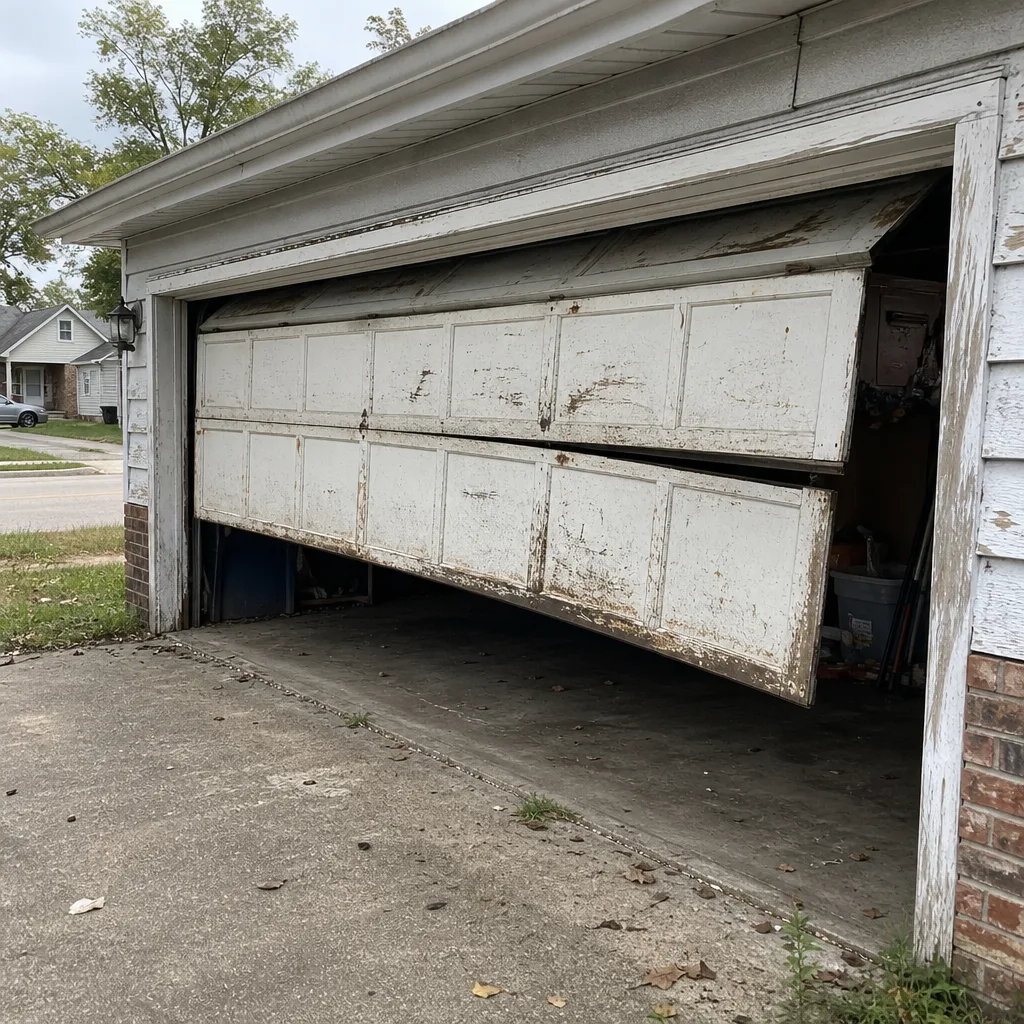
See the difference
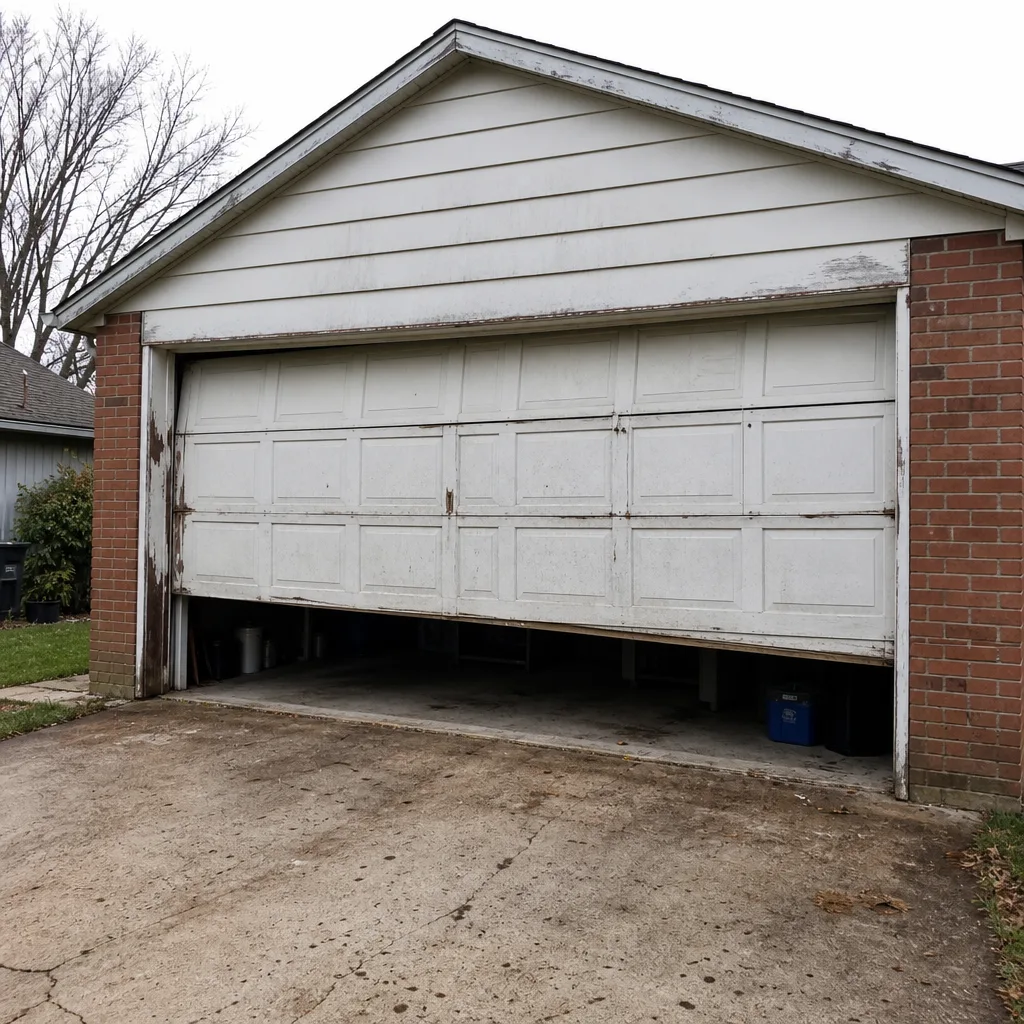 Before
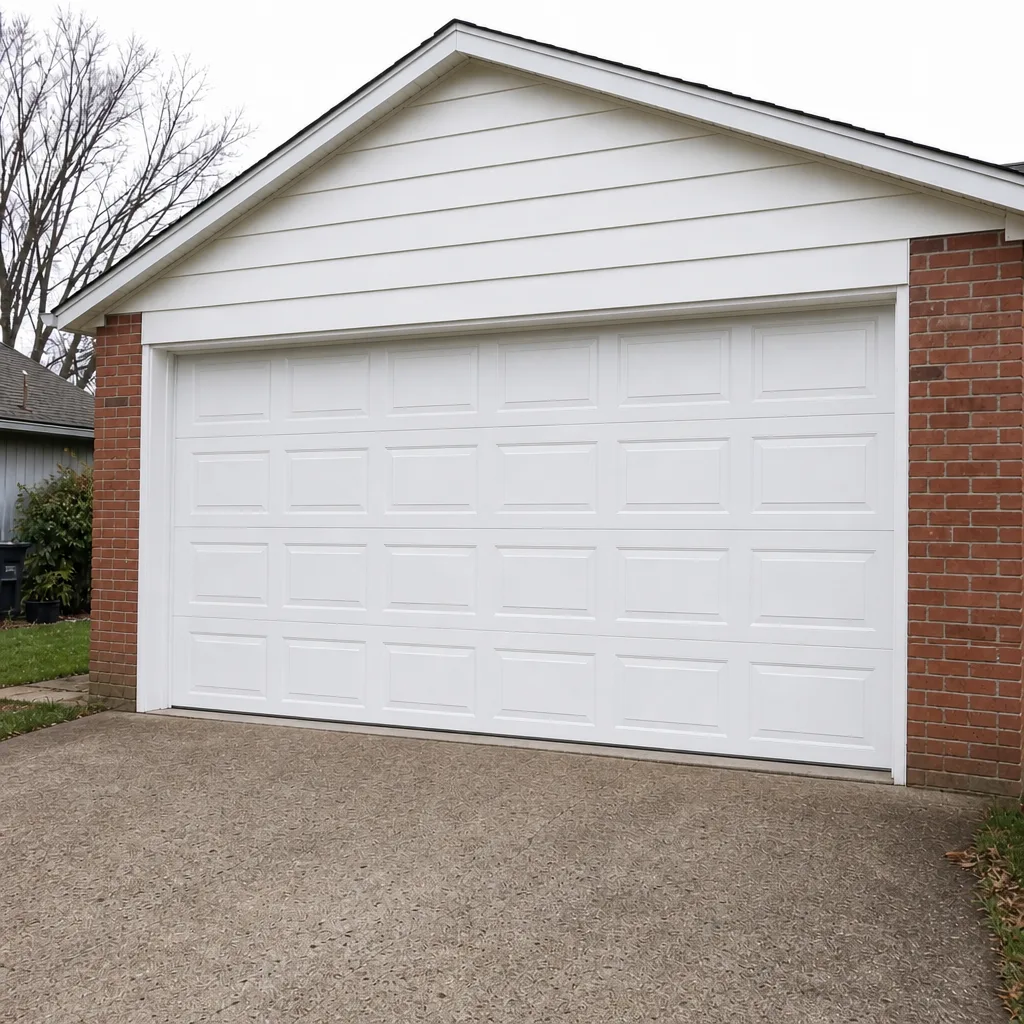 After
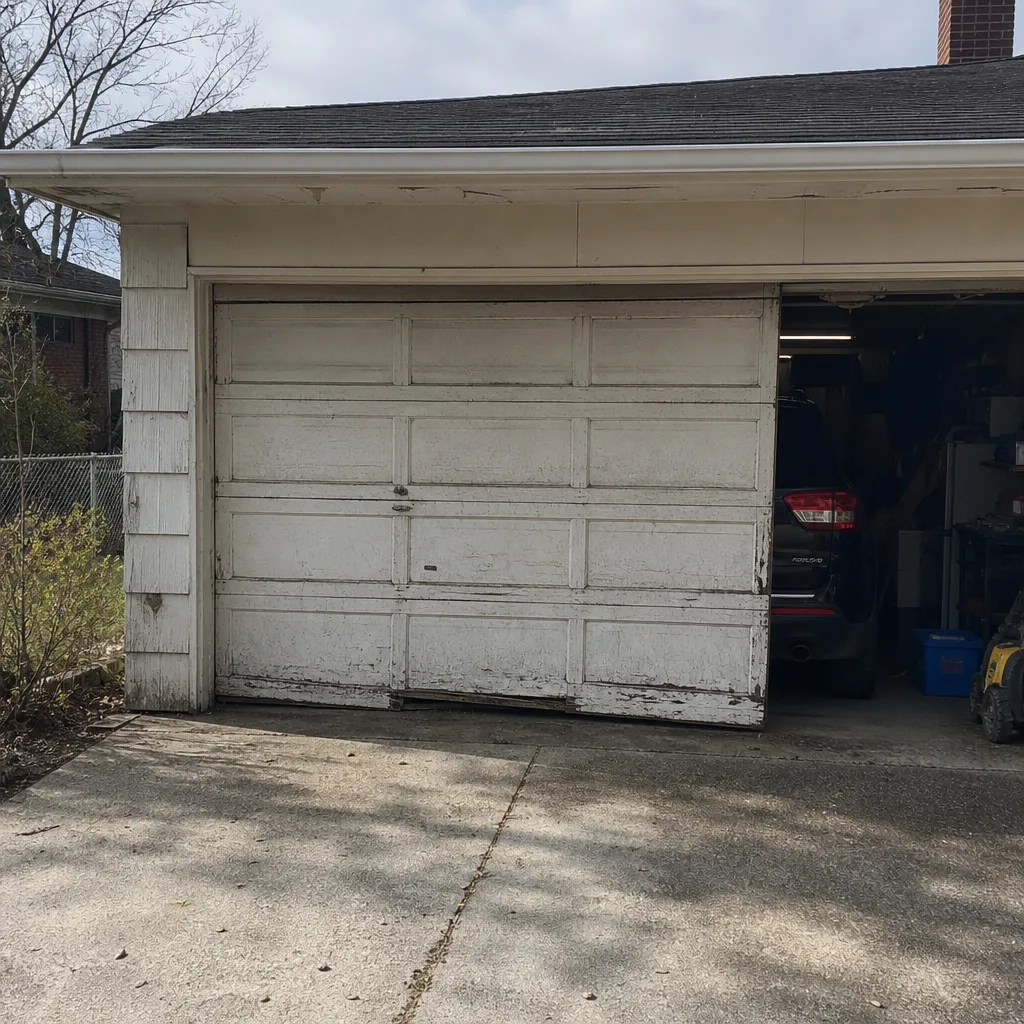 Before
 After
 Before
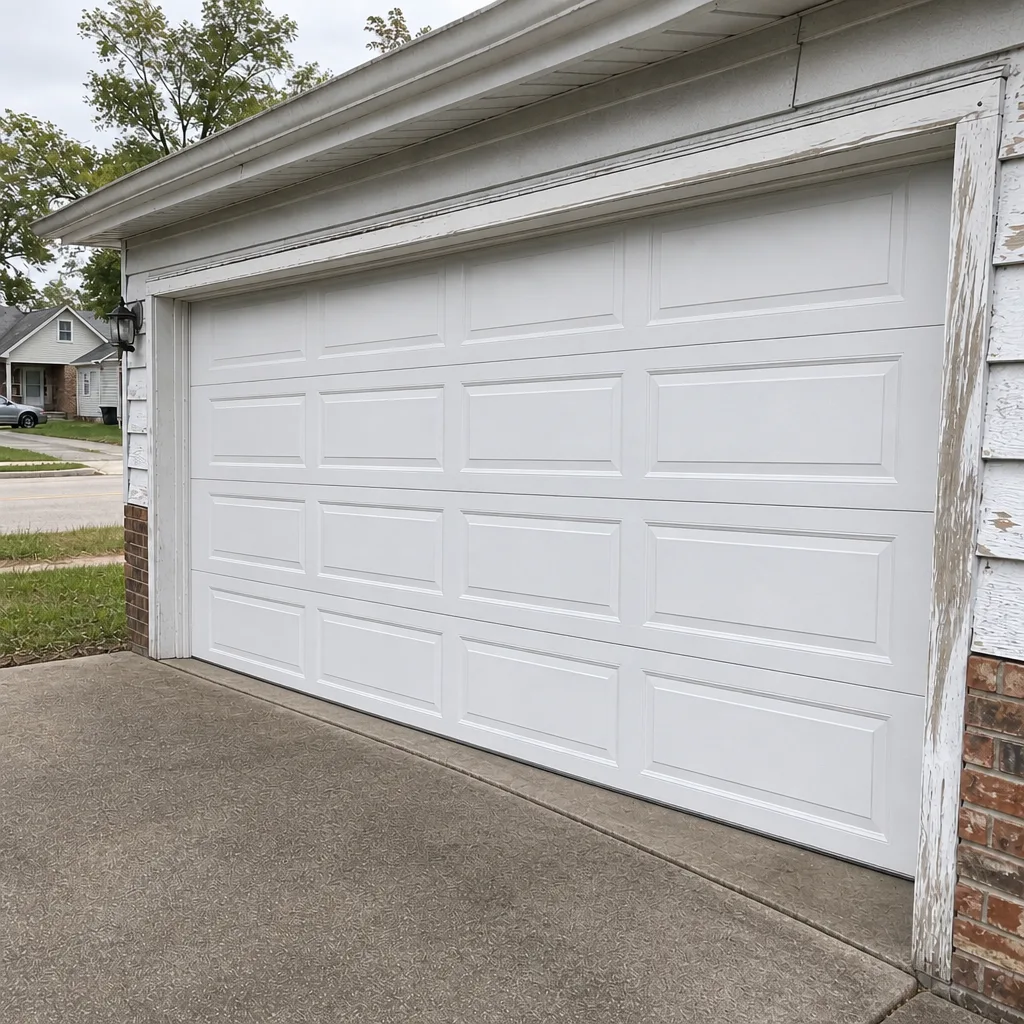 After
When to Call a Professional
Call a trained technician if any of these describe your situation: a snapped or visibly stretched spring, a door that’s stuck open or won’t close, a cable that’s come off a drum, a bent track, or any work involving opener wiring or logic boards. Also call if you’ve attempted a repair and the door still isn’t operating correctly. Springs and cables are dangerous no matter how careful you are, and a door that fails while someone is underneath it is a serious hazard. Garage Door Repair Fairfield Pros offers free estimates in Fairfield. Call (844) 440-7065 and we’ll walk through your options. Our technicians have up to 10 years of experience, and we diagnose across Craftsman, LiftMaster, Chamberlain, Raynor, and the rest of the major brands.
Frequently Asked Questions
No. Torsion springs in particular should only be replaced by a trained professional because of the amount of stored energy they hold. Extension spring work is also risky and belongs with a specialist. Call (844) 440-7065 for a quote and we’ll walk you through the process.
A single spring typically runs around $180-$340 in the Fairfield area, and a matched pair runs about twice that because both are usually replaced together. Call (844) 440-7065 for an exact quote, and estimates are free.
It can. Many manufacturers restrict warranty coverage on opener electronics and door structural components when serviced by an unqualified person. Check your manual or contact your brand’s support line before starting work. If you’re unsure, a free estimate from us can help you decide.
Replacing the bottom weather seal, lubricating hinges and rollers, and aligning photo-eye sensors are the safest DIY jobs. These don’t involve springs, cables, or anything under load. Call (844) 440-7065 if your job falls outside that list.
Yes, most LiftMaster and Chamberlain openers can be reprogrammed at home by following the manual or the brand’s support page. It’s one of the genuinely easy jobs. If the opener is throwing error codes or the remote won’t sync, call (844) 440-7065 and we’ll diagnose it.
Minor issues like a worn seal, noisy rollers, or sensor misalignment are repair jobs. Structural damage, twisted panels, or a door that’s repeatedly failing usually point to replacement. A free estimate is the clearest way to know. Call (844) 440-7065 to set one up.
The Bottom Line
The DIY-versus-pro question comes down to risk, not ability. You can safely handle seals, lubrication, photo-eye alignment, and opener programming. You shouldn’t touch torsion springs, cables, or structural panels, no matter how confident a video makes you feel. For Fairfield homeowners, the practical approach is simple: DIY the easy stuff, quote the dangerous stuff, and don’t guess. When in doubt, call Garage Door Repair Fairfield Pros at (844) 440-7065 for a free estimate. Our technicians have up to 10 years of experience, and we work across every major brand.
Written by the team at Garage Door Repair Fairfield Pros.