Last updated November 22, 2026
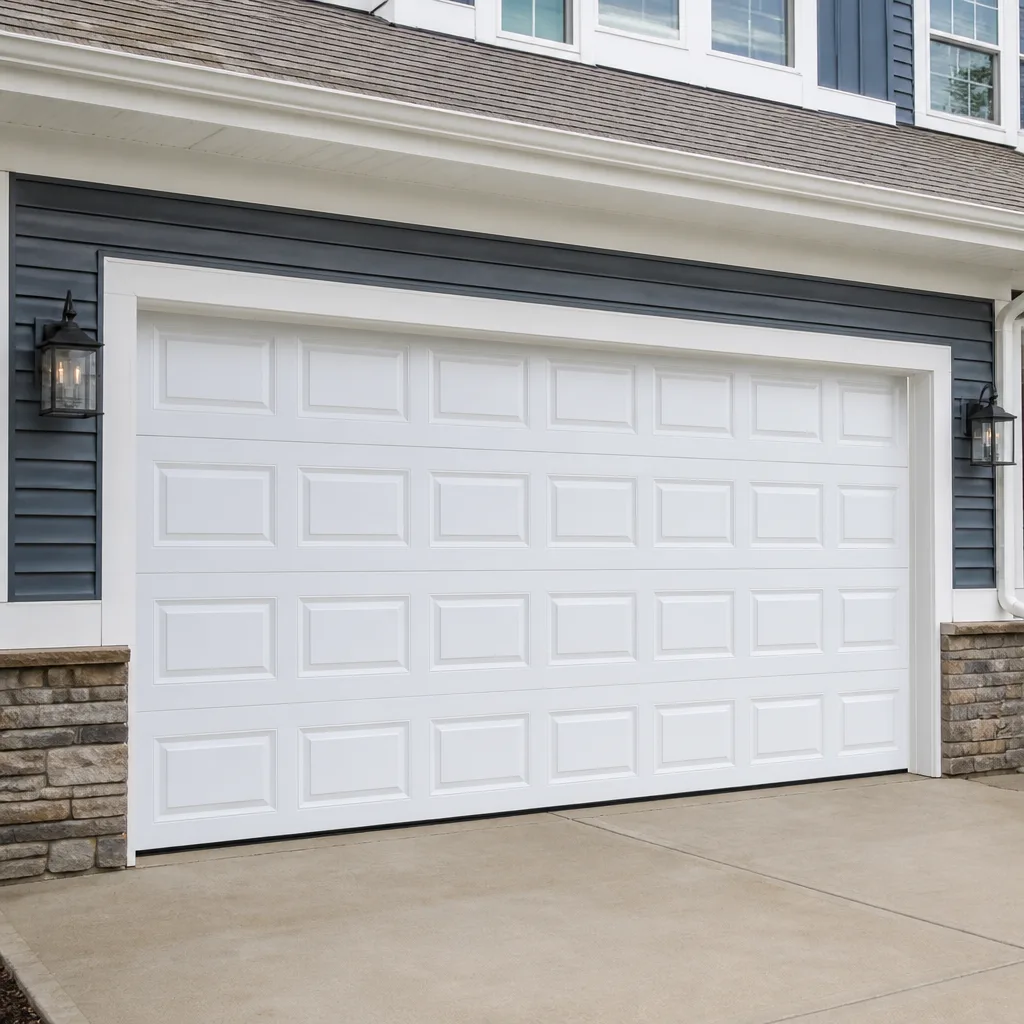 Raised-panel steel
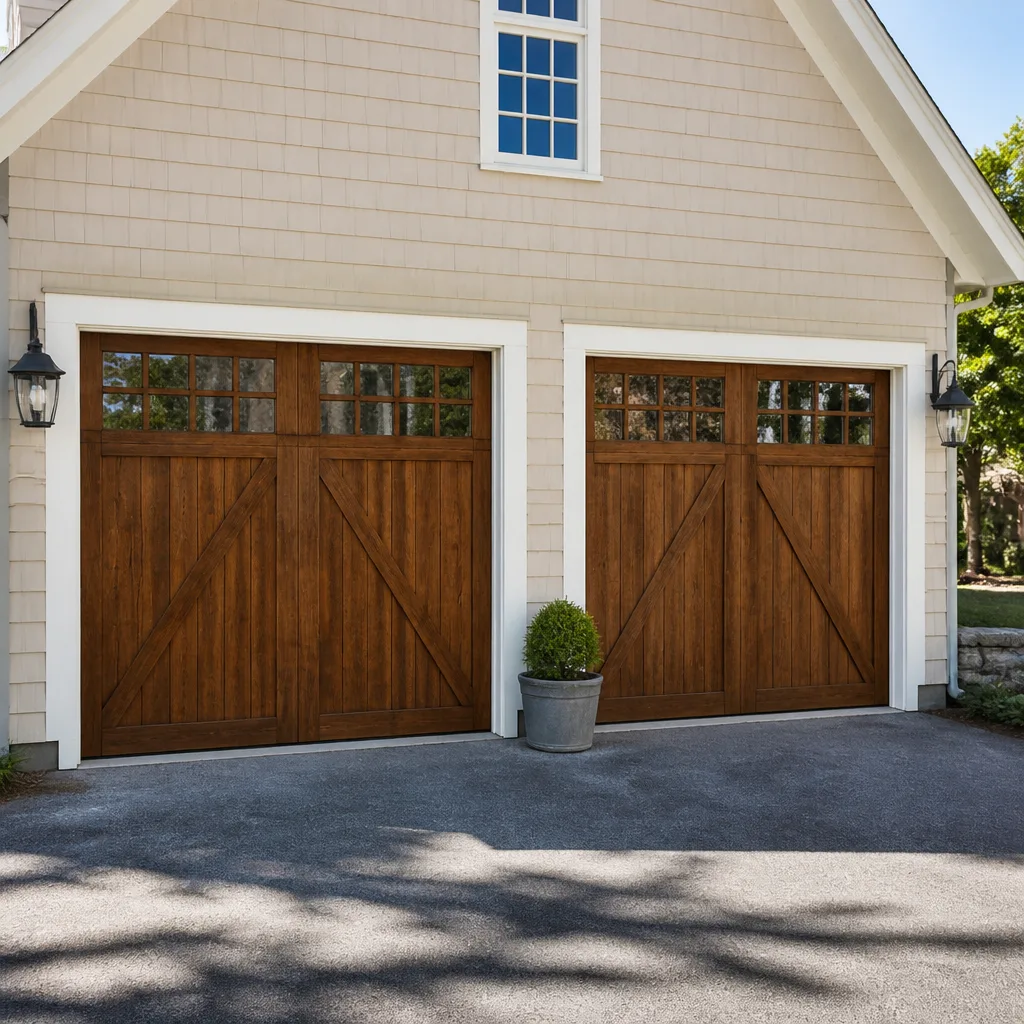 Carriage house
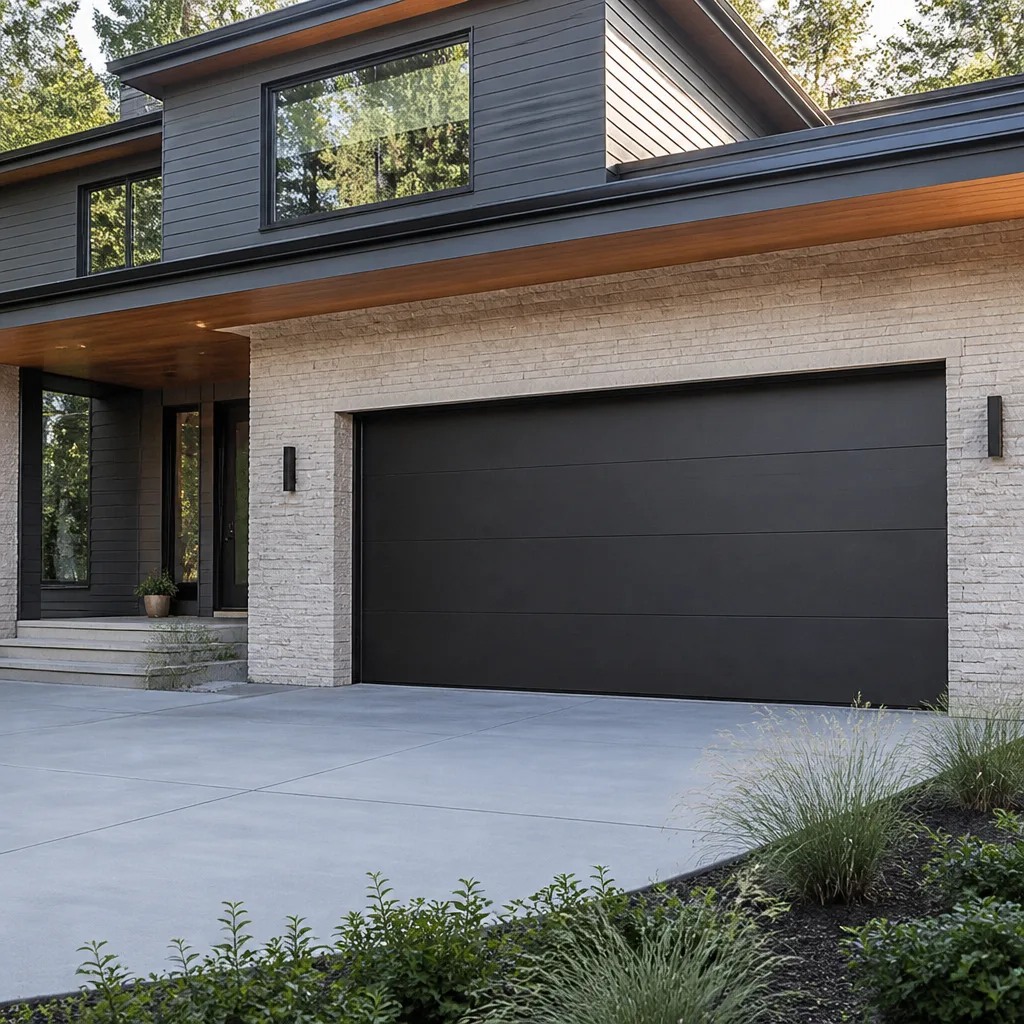 Modern flush
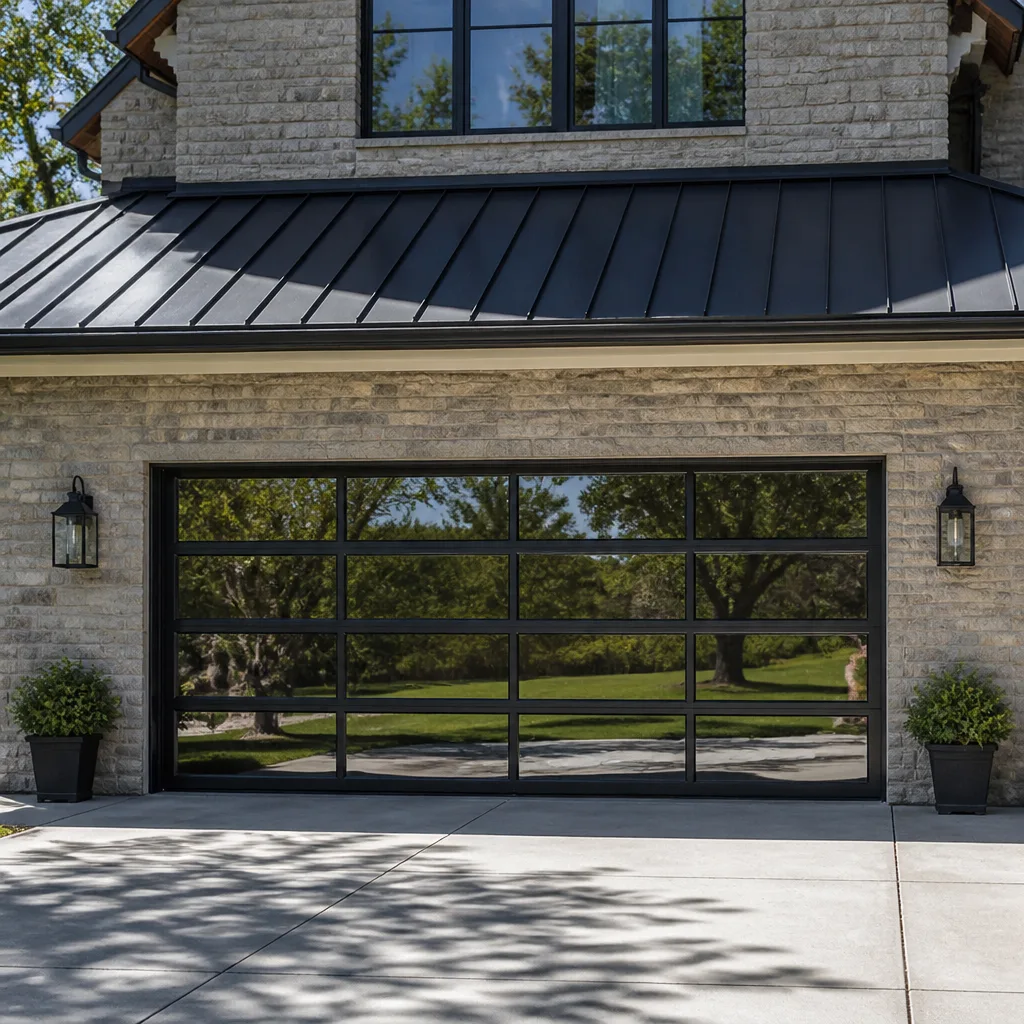 Full-view glass
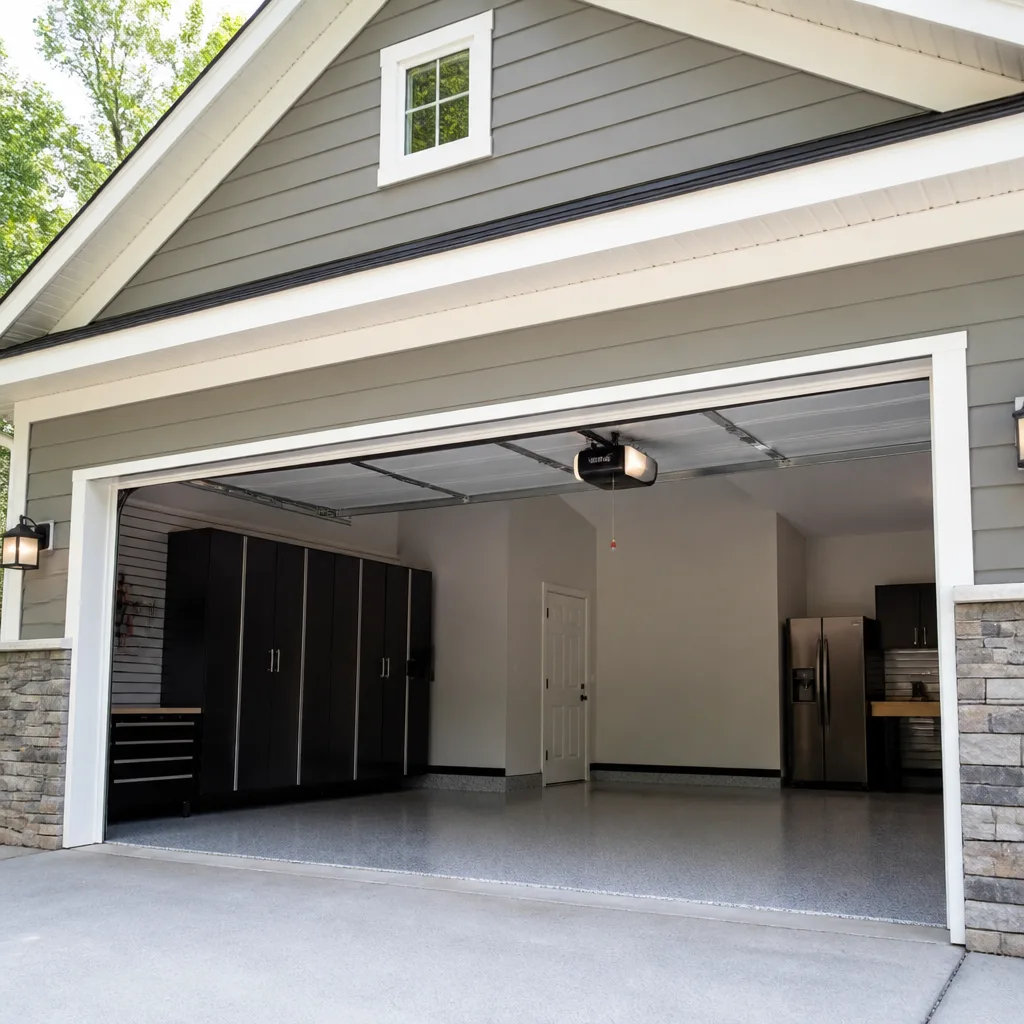 LiftMaster openers
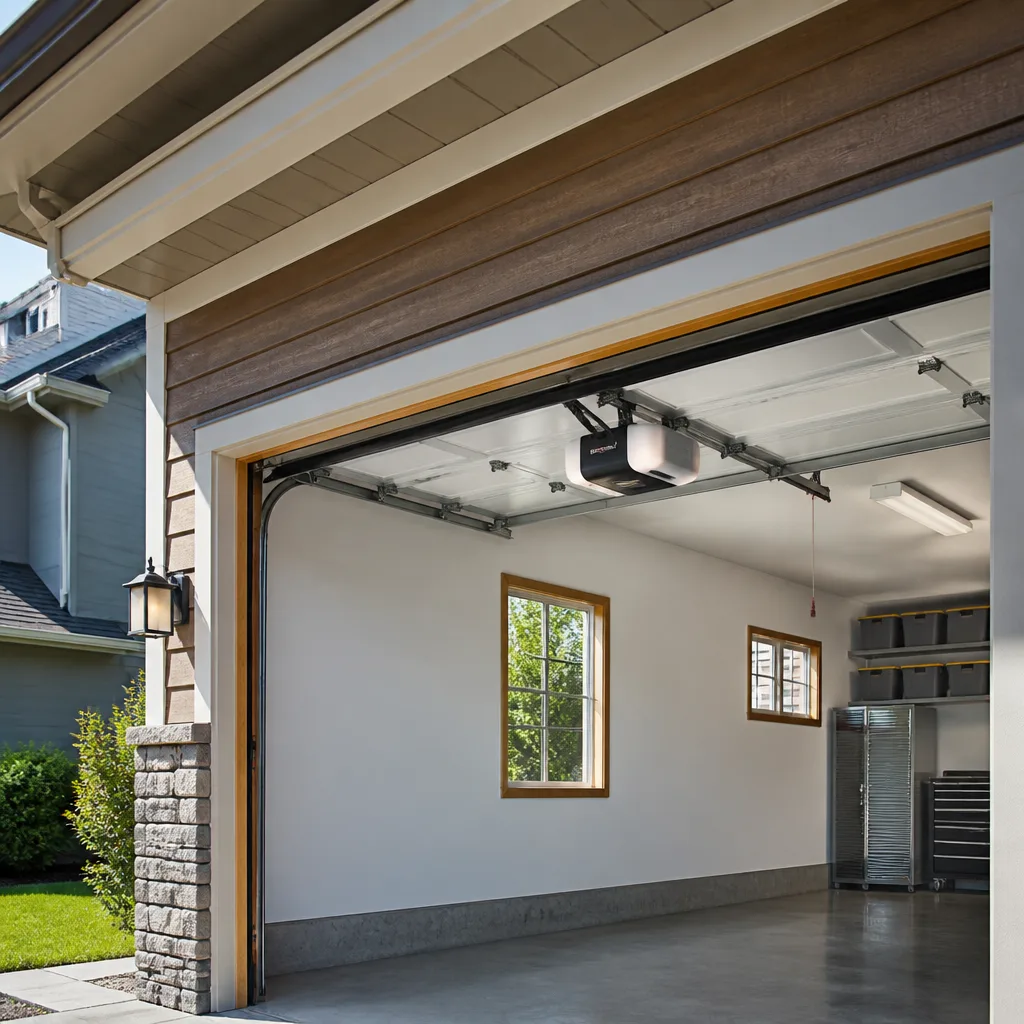 Chamberlain openers
Full 25-point door and opener safety check with every visit - springs, cables, rollers, tracks, and your LiftMaster or Chamberlain opener included
You get a price before we start. It does not change when the pro arrives.
Get your free estimateSeasonal Garage Door Care for Fairfield: Year-Round Homeowner’s Guide
Winter gets all the attention. Every fall, homeowners across Fairfield start thinking about frozen hinges and stiff openers, and by the time spring arrives the anxiety fades. But here’s what we’ve learned from thousands of service calls: August in Fairfield, with its thick humidity and 90°F heat, does more quiet damage to garage door seals and photo-eye alignment than any deep freeze does. Summer heat cooks weather stripping until it curls and loses its grip. Humidity warps wooden frames and softens adhesives. And a single annual inspection misses all of it. This guide breaks the year into four targeted maintenance seasons, each built around what Ohio weather actually does to door hardware, so you can catch small problems in Fairfield before they compound into expensive ones.
Quick Answer
Seasonal garage door care in Fairfield means doing four short, targeted maintenance checks per year instead of one long annual project – a spring check for freeze-thaw damage in March, a summer check for heat and humidity damage in July, a fall prep and lubrication window in October, and a winter check for freeze-related issues. Each season’s routine takes about 15 minutes, and only some tasks are safe to handle yourself. Spring tension adjustment, cable work, and opener calibration belong to a trained technician.
Styles & brands we work with
- Raised-panel steel
- Carriage house
- Modern flush
- Full-view glass
- LiftMaster openers
- Chamberlain openers
Table of Contents
- Why Fairfield Doors Need Four Checks, Not One
- Spring Care: Catching Winter Damage Before It Compounds
- Summer Care: Heat, Humidity, and Thermal Expansion
- Fall Care: Your Ohio Pre-Winter Prep List
- Winter Care: Frozen Doors and What Actually Causes It
- Building Your 15-Minute Seasonal Routine
- Which Seasonal Tasks Are DIY and Which Need a Technician
- Common Mistakes to Avoid
- When to Call a Professional
- Frequently Asked Questions
- The Bottom Line
Why Fairfield Doors Need Four Checks, Not One
Fairfield sits in a part of Ohio where all four seasons arrive on schedule and stay a while. Summer humidity regularly sits in the high range, with August bringing 85% humidity and temperatures near 90°F. Winter delivers sustained freezing, and spring and fall swing hard between cool mornings and warm afternoons. That swing is the real problem, because it’s the oscillation – not any single extreme – that wears down the moving parts of your garage door.
Most maintenance advice treats the garage door like a car that needs an annual oil change. That advice assumes the environment stays roughly stable. It doesn’t. In Fairfield, the same door can be dealing with a frozen bottom seal in February and heat-curled weather stripping in August. Those two problems need different fixes, and neither one shows up if you only look once a year.
The four-season approach simply matches your actions to what the door is actually going through. Here’s the logic behind it:
- Spring is about damage assessment. Freeze-thaw cycling over winter leaves visible marks on thresholds, seals, and hardware, and March is when you can still catch them cheaply.
- Summer is about materials and alignment. Heat expands steel, and humidity attacks seals and wooden frames.
- Fall is about preparation. Lubrication and tension checks done at the right temperature window save you a winter breakdown.
- Winter is about defense. Knowing what actually causes a door to freeze to the floor lets you handle it without wrecking the seal.
None of these checks are long. The misconception is that proper care is a two-hour Saturday project. It’s closer to four 15-minute checkpoints spaced through the year, which is far easier to actually keep up with. If you’d rather have a specialist handle the technical portions of those checkpoints, our garage door repair service covers exactly this kind of seasonal inspection work.
Spring Care: Catching Winter Damage Before It Compounds
March is the best month to inspect your garage door in Fairfield. By then, winter’s freeze-thaw cycling has finished doing its work, and the evidence is still in place. Winter moisture seeps into concrete thresholds and freezes overnight. It expands as it freezes, then contracts as it thaws. Repeated across a Fairfield winter, that cycle opens hairline cracks in the threshold, loosens the bottom seal, and pushes gaps into the frame where the door meets the ground.
Left alone through spring rains, those small openings turn into water intrusion and rust at the bottom panel. Catching them in March means a simple seal replacement. Catching them in July often means panel repair.
What to check in spring
- Inspect the bottom seal for tears, stiffness, and gaps. If it’s brittle or crumbling, it needs replacing before spring rain finds those gaps.
- Look at the concrete threshold. Hairline cracks and crumbled edges near the door are signs freeze-thaw cycling did damage. Note any areas where water could pool.
- Test the door balance by hand. Disconnect the opener and lift the door halfway, then let go. A balanced door holds position. One that sags or drops fast needs spring attention from a technician.
- Check the weather stripping on the sides and top. Winter wind and ice can pull it loose, and damaged side stripping lets draft and moisture in.
- Test the safety reverse. Place a small object in the door’s path and confirm the door reverses when it contacts it. This is a fast check, and if it fails it can usually be traced to a photo-eye or opener issue.
That balance test is where we draw a firm line. Garage door springs are under extreme tension and can cause serious injury in a fraction of a second if handled without the right tools. We handle springs so you don’t have to. If your door sags or drops during that test, stop and call a trained technician rather than attempting adjustment yourself. It’s the single most common reason a simple spring problem turns into a hospital visit.
Spring is also the season for a lot of Fairfield doors to start making noise. A grinding or squealing on the first few warm days is often just winter-thickened grease that needs refreshing, but it can also signal worn rollers. If the noise doesn’t resolve after lubrication, it’s worth a look before summer adds heat to the picture.
Summer Care: Heat, Humidity, and Thermal Expansion
This is the season almost everyone ignores, and it’s the one that does the quiet damage. Steel doors expand in the heat of a Fairfield summer. The track and the door panels both grow slightly, and if the track was mounted tight in cool weather, that expansion can create binding, scraping, and uneven travel. You’ll hear it as a door that sounds fine in early morning but grinds at 2 p.m.
Humidity is the other half of the story. Weather stripping is an adhesive-backed or nailed-on material, and in a stretch with 85% humidity and temperatures near 90°F, the adhesive softens. Seals curl at the edges, pull away from the frame, and let in the very air and insects they were meant to block. Wooden door frames swell in the same humidity, and repeated swelling and shrinking across a summer can loosen hinge screws and warp the frame over time.
What to check in summer
- Listen to the door during the hottest part of the day. New scraping or grinding that wasn’t there in spring points to thermal expansion or a track that needs a small adjustment.
- Run a hand along the weather stripping. Curled edges, gaps, and peeling adhesive mean the seal is losing its grip and needs re-sealing or replacement.
- Check wooden frame components for swelling, soft spots, and loose hinge screws. Tighten what’s loose and note anything that looks water-softened.
- Clean the photo-eye lenses. Dust, pollen, and cobweb buildup on the sensors can misalign them. Wipe both lenses and confirm the door closes without reversing on its own.
- Look at the tracks for debris and heat distortion. With the door closed, sight down each track. It should be straight and uniform.
Photo-eye alignment deserves a special mention for Fairfield summers. The two sensors at the base of the door need to see each other to allow the door to close. When heat warps the surrounding trim or shifts a mounting bracket, the beam drifts out of alignment and the door refuses to close. Homeowners often assume the opener died. Usually it’s just the eyes. If your door stops responding to the remote and the eyes look fine, the problem may sit in the opener itself – modern units from LiftMaster and Chamberlain store diagnostic error codes you can check before calling anyone. Our garage door opener repair team handles those scans routinely.
If your door is steel and gets full afternoon sun, it can get hot enough to be uncomfortable to touch, and that’s normal. What isn’t normal is paint blistering or a panel that looks visibly warped. Note it and have it looked at before fall.
Fall Care: Your Ohio Pre-Winter Prep List
Fall is when most Fairfield homeowners think about garage door care, and that instinct is right – it’s just incomplete. The fall checklist matters, but only if the spring and summer checks have already happened. Done in isolation, fall prep is patching what earlier seasons could have prevented.
The single most important fall task is lubrication timing. Lubricate your door’s moving parts while temperatures are still mild – ideally a stretch in October. Once the cold sets in, grease thickens and becomes harder to work into hinges, rollers, and springs. A door lubricated in warm weather glides smoothly through January. One lubricated at the first hard freeze may feel sluggish all winter and put extra strain on the opener.
Your Fairfield pre-winter prep list
- Lubricate hinges, rollers, and track. Use a garage-door-specific lubricant, not general household oil, and apply it while the weather is still mild. Wipe off excess so it doesn’t attract grit.
- Have spring tension checked before the first hard freeze. Cold shrinks and stiffens metal, and a spring already near the end of its life can fail on the first cold morning. That’s exactly when you don’t want a car trapped inside.
- Inspect and re-seal the bottom seal. A seal that’s already compromised will let cold air in all winter and can freeze to the floor. Replace it before temperatures drop.
- Check weather stripping on the sides and top. Cold air finds every gap. Re-seal or replace anything curled or loose.
- Test the safety reverse and photo-eyes again. A door that fails the safety test in winter can be a real safety problem when the ground is icy and you’re moving in a hurry.
- Clear leaves and debris from the tracks. Rotting leaves hold moisture and can jam rollers. Do this once after the leaves finish falling.
- Oil the opener chain or belt per the manufacturer’s guidance. Follow the manual for your specific unit, whether it’s LiftMaster, Chamberlain, Genie, or another brand. Different systems want different treatment.
Torsion spring tension is the line you don’t cross yourself. A torsion spring under load carries enough energy to break a bone, and adjusting it requires specific tools and training. Have a technician check tension in fall while the weather is cooperative, so a spring failure in January isn’t a crisis. Our team can walk through this quickly as part of a pre-winter check.
Fall is also a good time to look at the door’s overall condition and decide whether repair or replacement makes more sense. If your door is already showing multiple issues, planning a replacement or major service before winter is far better than scrambling after the first freeze. If you’re weighing new panels against a new door, our guide to garage door installation covers what a full replacement involves.
Winter Care: Frozen Doors and What Actually Causes It
When a garage door freezes to the floor in Fairfield, the cause is almost always water at the bottom seal, not the door itself. Meltwater from a car, or from snow tracked in on tires, drains toward the door and pools at the threshold. Overnight it freezes, and the bottom seal bonds to the concrete. The door isn’t broken; it’s stuck. Knowing this makes the fix straightforward and keeps you from damaging the seal or the opener trying to force it.
How to free a frozen door correctly
- Disconnect the opener first. Pull the release cord so the door is on manual operation. This keeps the opener motor from straining against a stuck door and stripping the gear or belt.
- Loosen the ice at the bottom seal. A rubber mallet tapped gently along the base, or a plastic scraper worked under the seal, will break the bond. Never use a metal tool or a chisel, which will tear the rubber.
- Never pour hot water on the door or seal. Sudden heat can warp the bottom panel and damage the seal, and it refreezes the moment it cools.
- Clear standing water from the threshold once the door is free. If water keeps pooling there after every winter storm, the threshold is the problem and needs attention.
- Reconnect the opener and test. Run the door through a full open and close cycle and confirm the safety reverse still works.
There’s a second winter hazard worth watching: cold makes springs brittle. Metal that flexes slightly in milder temperatures can snap suddenly when the temperature drops hard. If a spring looks or sounds different as winter arrives – or if the door opens halfway and stops – stop using it and call for help. Attempting spring work in cold weather on a brittle spring is even more dangerous than in summer. That’s a call we take seriously during the winter months, and it’s why we keep emergency service available.
Winter is also when opener remotes start misbehaving. Cold batteries lose voltage fast. If the remote works inside but not from the driveway, replace the battery before assuming the opener needs repair. It’s the simplest fix and it solves more winter complaints than anything else. If a fresh battery doesn’t help, the problem may sit in the opener or its logic board, and a diagnostic by a technician will settle it quickly.
Building Your 15-Minute Seasonal Routine
The reason annual maintenance gets skipped is that it feels like a big project. Turn it into four small checkpoints and it stops being a chore. Here’s a routine that fits into a coffee break, once per season.
Each session should cover three things: a visual scan, a listening test, and one functional test. Together they take about 15 minutes. Here’s how to structure it:
- Visual scan (3 minutes). Walk around the closed door. Look at the bottom seal, the tracks, the hinges, and the frame. Note anything cracked, curled, loose, or rusted.
- Listening test (2 minutes). Run the door open and closed and just listen. Grinding, squealing, popping, and uneven travel sounds all tell you where to look next.
- Functional test (5 minutes). Test the safety reverse with an object in the door’s path. Check that the photo-eyes allow the door to close. Lift the door manually to test balance (spring season only, and only for the sag test).
- Lubrication touch-up (5 minutes). Add lubricant to hinges, rollers, and springs as needed, following the fall timing rules above. Keep it light and wipe off excess.
That’s the whole routine. It works because each season’s version accents the three components differently. In spring you scan heavily for freeze-thaw damage and skip lubrication. In summer you emphasize listening for thermal grinding and checking the photo-eyes. In fall you lubricate while the weather is warm and prep for cold. In winter you focus on the bottom seal and the opener’s behavior in cold.
Here’s a summary of which season needs what most:
- Spring: Bottom seal, threshold cracks, weather stripping, balance test.
- Summer: Thermal expansion sounds, humidity-damaged seals, wooden frame swelling, photo-eye cleanliness.
- Fall: Lubrication while mild, spring tension check, seal replacement, full safety test.
- Winter: Bottom seal freeze checks, battery replacement, early detection of brittle springs.
Fifteen minutes per season, done consistently, catches the problems that would otherwise land you with a door that won’t open on a Monday morning. It’s the single most cost-effective habit a Fairfield homeowner can build around their garage.
Which Seasonal Tasks Are DIY and Which Need a Technician
Not every task on the seasonal list should be handled by a homeowner. Some are simple and safe. Others carry real risk, and the distinction lines up neatly with what’s under tension versus what isn’t.
Safe to do yourself
- Visual inspection of seals, tracks, hinges, and frame.
- Wiping photo-eye lenses and checking that the door’s safety reverse works.
- Lubrication of hinges, rollers, and springs (with the garage-door-specific product and the seasonal timing above).
- Replacing remote batteries and cleaning debris out of tracks.
- Breaking ice off the bottom seal with a plastic tool (with the opener disconnected).
Call a technician
- Spring adjustment or replacement. Springs are under extreme tension and can fail violently. This is the most dangerous part of any garage door, and it’s not a DIY task.
- Cable replacement or tension work. Cables carry the door’s weight and are under load. Removing them without proper training can release that load unexpectedly.
- Opener repair beyond the battery and code check. Once you’re past a fresh battery or a simple photo-eye alignment issue, the opener’s internal components need a trained hand.
- Track realignment following thermal expansion or impact. A twisted track means the door isn’t tracking properly, and forcing it back into shape can cause panel damage.
- Replacing a bottom seal when the threshold itself is compromised. If winter cracked the concrete, a new seal alone won’t fix it.
The general rule: if the task involves anything under tension, or the door’s weight, call a technician. Feel free to handle everything else yourself. As a specialist garage door company, we’re happy to handle the technical side. We work across LiftMaster, Chamberlain, Genie, Clopay, Amarr, Wayne Dalton, Craftsman, and Raynor, so whatever brand your door carries, we’ve worked on it before.
Common Mistakes to Avoid
- Doing one annual inspection instead of four seasonal checks. A Fairfield door faces very different conditions in February and August, and a single annual check will miss half of them.
- Lubricating in the wrong temperature window. Grease applied in freezing weather doesn’t work in properly and may jam. Lubricate in mild fall weather instead.
- Forcing a frozen door open with the opener connected. This strains the motor and can strip the gear. Disconnect the opener and free the ice at the seal first.
- Pouring hot water on a frozen seal or bottom panel. It warps the panel and refreezes quickly. Use a plastic tool and patience instead.
- Assuming a dead opener is the problem when it’s actually the batteries or photo-eyes. Check the simplest causes first – a fresh remote battery and a quick lens wipe solve most winter complaints.
- Ignoring summer humidity damage to the weather stripping. Curled, pealing seals look minor in July but let cold air and moisture in all winter.
- Attempting spring work without training. Springs are the most dangerous part of any garage door, and cold weather makes them more brittle. Call a technician instead.
- Skipping the fall spring tension check. A spring near the end of its life can fail on the first hard freeze – exactly when you least want a car stuck inside.
When to Call a Professional
Some issues are clearly a call-a-technician situation. A snapped spring, a door that won’t open at all, a door that drops fast during the balance test, or an opener that stops mid-travel and won’t reset – all of those are worth professional attention right away. So is a door that starts traveling unevenly or scraping after summer heat. These aren’t just inconvenience problems; a door that isn’t tracking right can be a safety concern, and a stuck door locks a car inside and leaves the largest opening in your house unsecured. When the door fails on a Saturday, call and we’ll book you for Sunday. Emergency service is part of what we do, so urgent failures don’t have to wait for a standard appointment window. Garage Door Repair Fairfield Pros offers free estimates in Fairfield – call (844) 440-7065 to get scheduled.
Frequently Asked Questions
Four times a year, with a short targeted check each season. Fairfield’s four distinct seasons each stress the door differently, so a 15-minute check in spring, summer, fall, and winter catches more than one long annual inspection. The spring and winter checks matter most because they focus on seals and springs at the moments those are most at risk.
Summer heat causes thermal expansion in steel doors, and if the track was mounted tight in cool weather, the door can bind and scrape as it travels. Heat also softens weather stripping adhesive, which can curl the seals at the frame. Hearing new grinding during the hot part of the day that disappears in the cooler mornings is a strong signal of summer expansion. A small track adjustment usually solves it.
Keep water from pooling at the threshold, and make sure your bottom seal is in good shape before winter. A compromised seal absorbs water and bonds to the concrete. If the door freezes anyway, disconnect the opener first and break the ice bond at the seal with a plastic tool. Never force it with the opener running or pour hot water on it.
Yes, lubrication is safe to do yourself – but the timing matters. Do it in fall while temperatures are still mild so the lubricant works in properly. Use a garage-door-specific product on hinges, rollers, and the track, and wipe off excess. Avoid general household oil, which attracts grit and thickens in cold.
Call a technician any time the task involves anything under tension – springs, cables, or track realignment. Those carry real injury risk even for experienced homeowners, and cold weather makes springs more brittle. Simple checks like photo-eye cleaning, battery replacement, seal inspection, and lubrication are safe to do yourself.
In winter, it’s most often the remote battery, which loses voltage fast in cold. Replace the battery first, then clean the photo-eye lenses and check for alignment. If the door still won’t respond, the issue is likely in the opener itself, and units from brands like LiftMaster and Chamberlain store diagnostic error codes a technician can read. That saves a lot of guesswork and points straight to the fix.
The Bottom Line
Fairfield’s four seasons each leave a different mark on your garage door, and the fix isn’t one long annual project – it’s four short checks matched to what each season does. Spring catches winter’s freeze-thaw damage before it turns into panel rust. Summer watches for heat-driven thermal expansion and humidity damage to seals and wooden frames. Fall lubricates while the weather is mild and checks spring tension before the cold arrives. Winter defends the bottom seal and the opener. Fifteen minutes per season, done consistently, is the whole routine. Anything involving springs or cables belongs to a technician, and the rest you can handle yourself.
Contact
If seasonal checks turn up something that needs a specialist – a spring that sags, a door that grinds, an opener that won’t respond, or a seal that’s given out – we’re ready to help. Garage Door Repair Fairfield Pros works across LiftMaster, Chamberlain, Genie, Clopay, Amarr, Wayne Dalton, Craftsman, and Raynor, and our technicians have up to 10 years of experience. Call (844) 440-7065 for a free estimate. If the door fails on a Saturday, call and we’ll book you for Sunday. You can also start with our Garage Door Repair Fairfield Pros home page to see the full range of services.
Written by the team at Garage Door Repair Fairfield Pros.
See the difference
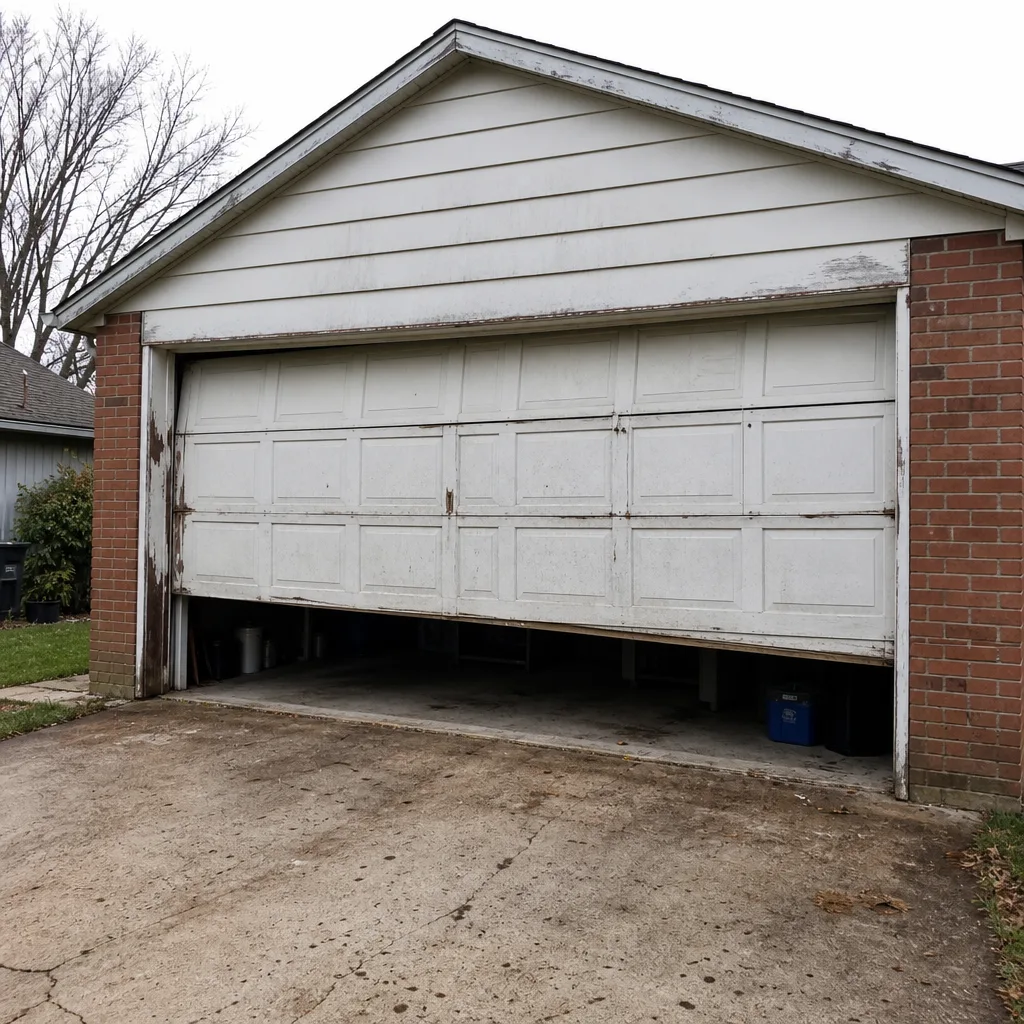 Before
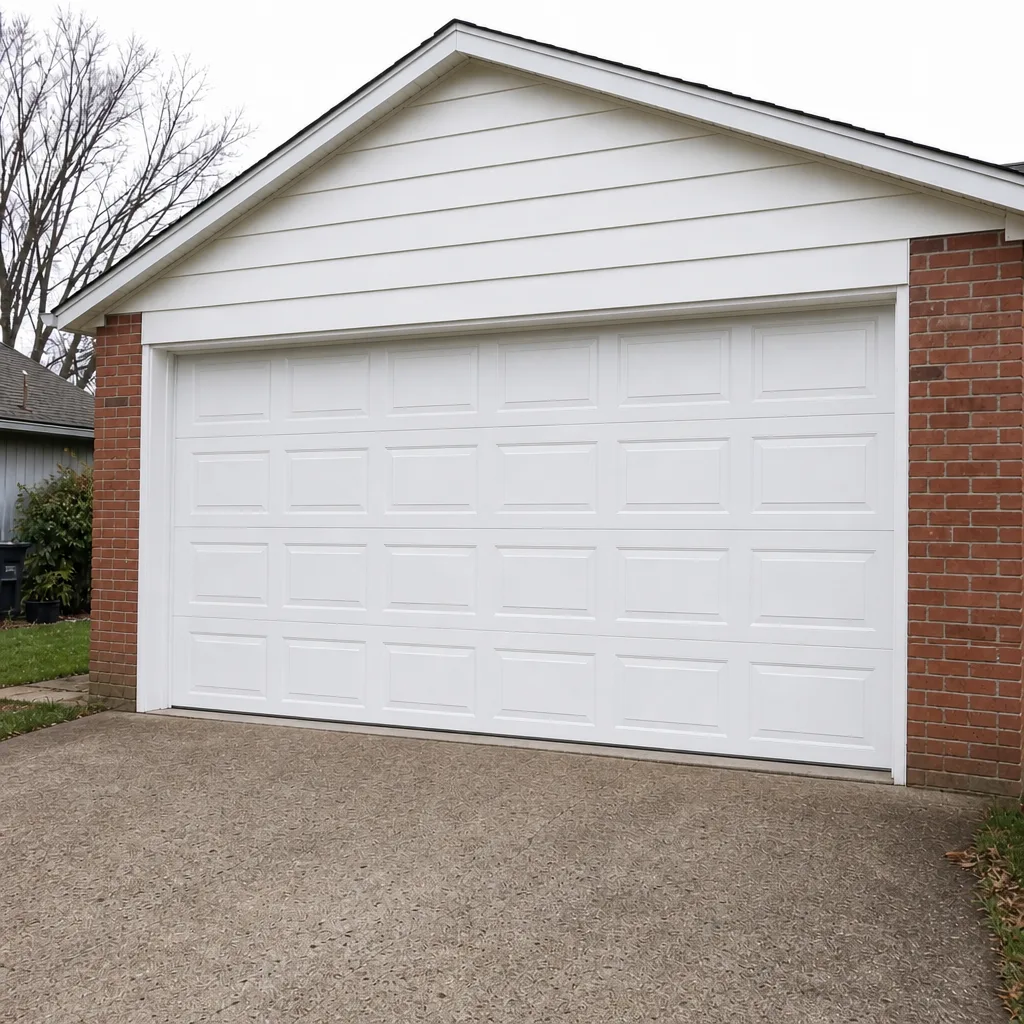 After
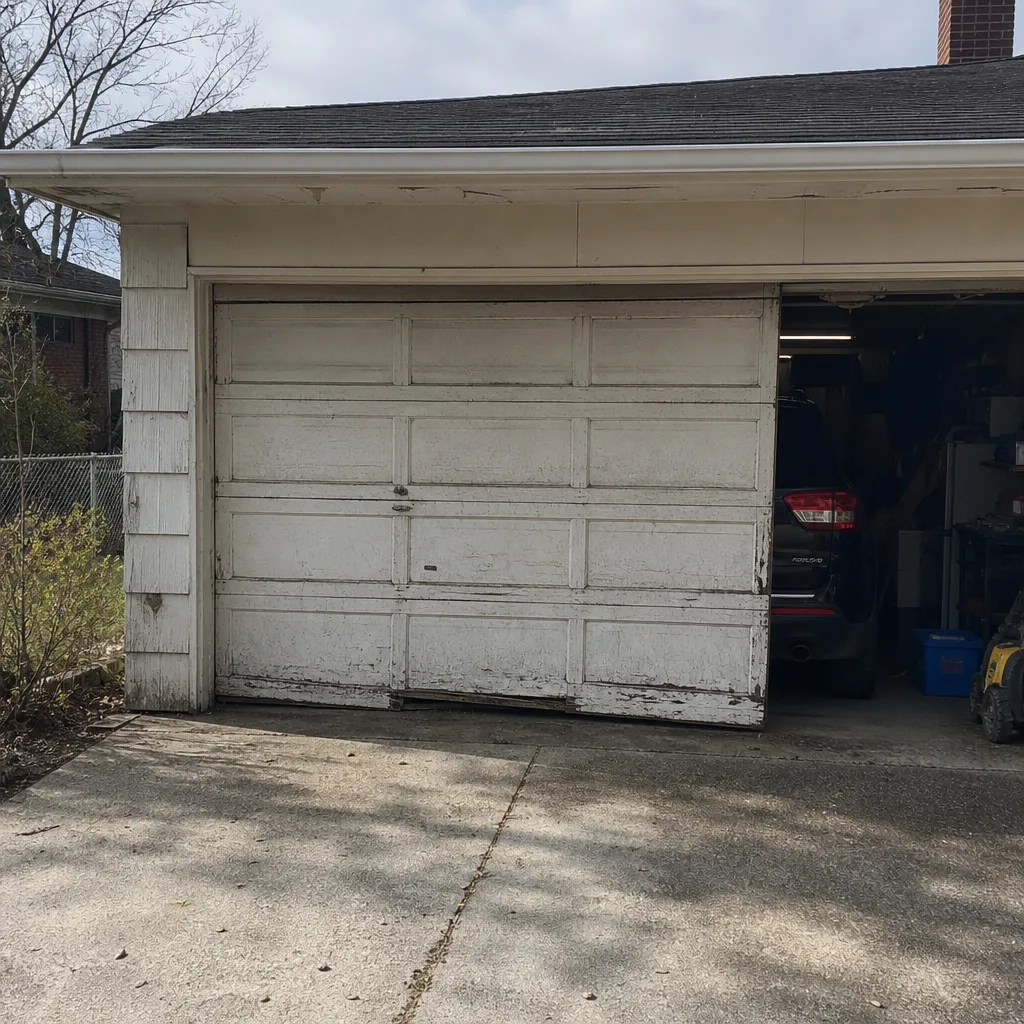 Before
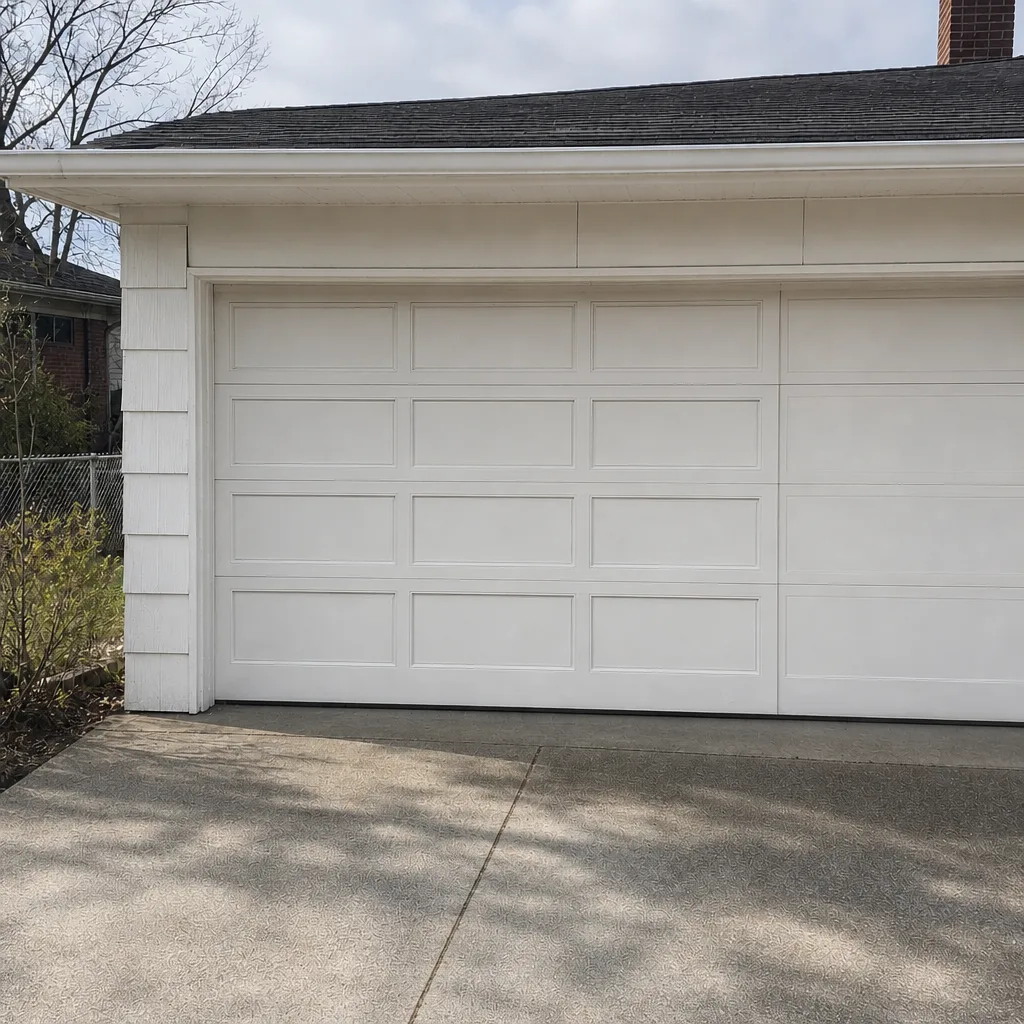 After
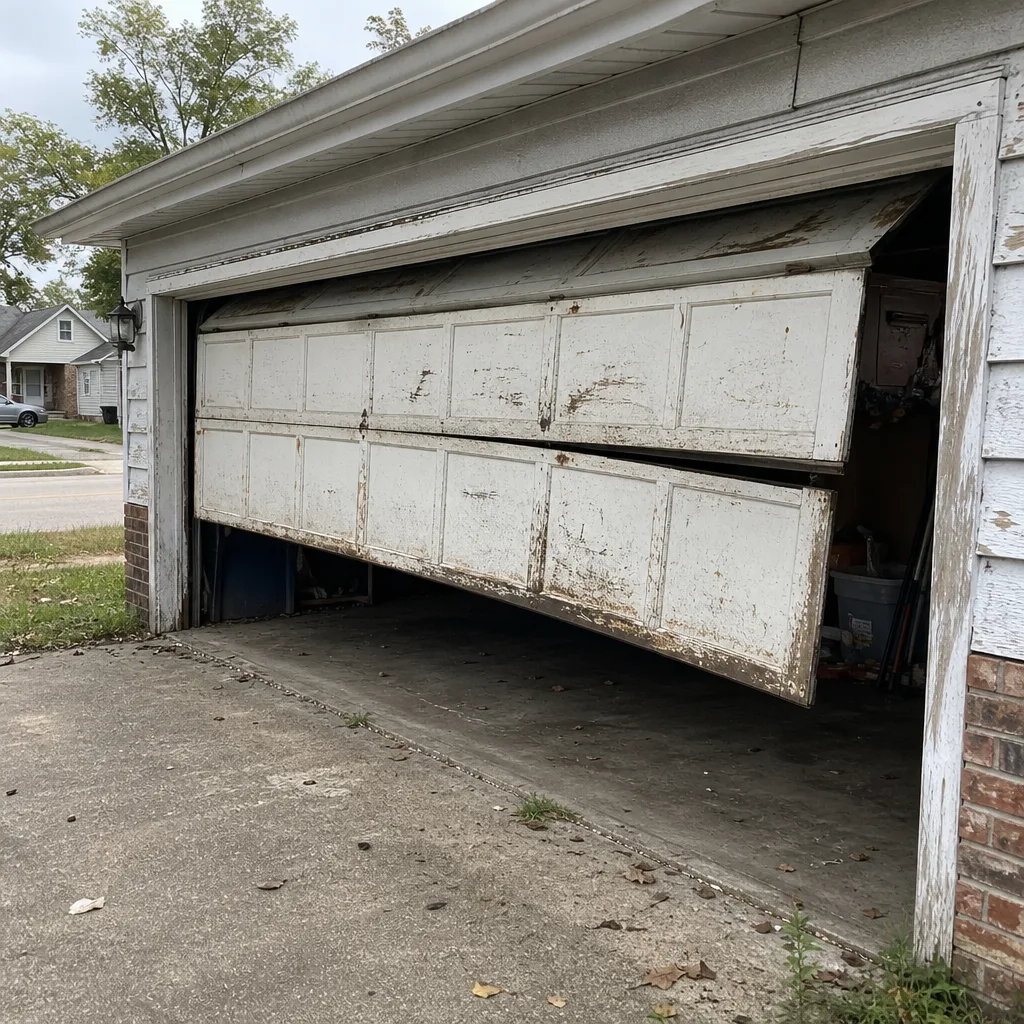 Before
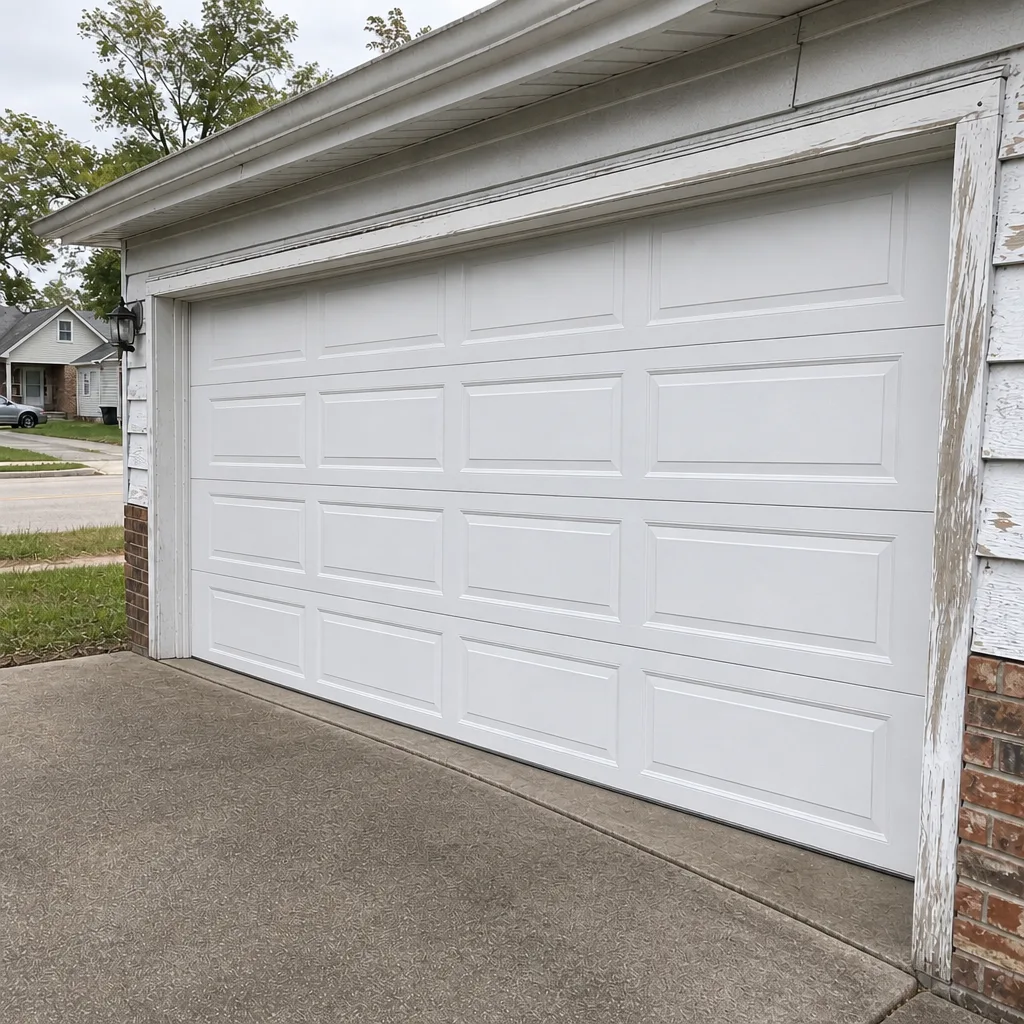 After